Table of Contents
ToggleA sectional sofa is a workhorse, hosting movie nights, accommodating overnight guests, and weathering everything from pet claws to pizza spills. But constant use takes a toll. Cushions fade, seams fray, and upholstery absorbs odors and stains that no amount of vacuuming can reverse. Replacing a sectional isn’t cheap, and reupholstering costs nearly as much as buying new. That’s where sectional sofa covers come in. They protect your investment, hide existing wear, and let homeowners refresh a room’s look without touching a screwdriver or hiring a pro.
Key Takeaways
- Sectional sofa covers extend furniture lifespan by protecting against UV damage, pet claws, spills, and stains while costing a fraction of reupholstering or replacement.
- One-piece stretch covers offer quick 10–15 minute installation for uniform sectionals, while multi-piece covers provide flexibility for modular configurations and individual panel replacement.
- Polyester blends are the most affordable and washable option, while canvas suits pet owners and microfiber works best for allergy sufferers—each fabric requires different care levels.
- Accurate measurements are critical: add 2–3 inches as a buffer since covers shrink after washing, and always consult detailed size charts rather than generic labels.
- Proper installation using foam tubes in crevices, elastic straps secured to the base, and aligned seams prevents sagging and shifting while the cover is in use.
- Regular vacuuming, monthly spot-cleaning, and quarterly machine-washing on gentle cycles keep covers fresh and maximize their usable lifespan for years.
Why Invest in Sectional Sofa Covers?
Sectional sofa covers offer practical benefits beyond aesthetics. They shield fabric from UV damage, which causes fading in rooms with large windows or sliding glass doors. If pets share the furniture, covers act as a barrier against fur, dander, and accidental scratches. Parents of young kids know the value of a washable layer between juice boxes and cushions.
Covers also extend the lifespan of a sectional. A quality slipcover can add years to upholstery that’s structurally sound but visually tired. Instead of scrapping a $1,500 sectional because the armrests are pilled or stained, a $150 cover solves the problem. For renters, covers let you personalize a space without violating lease terms or losing a security deposit.
Finally, covers simplify seasonal updates. Swap a heavy canvas cover for linen in summer, or switch from neutral to bold patterns without committing to permanent changes. It’s the DIY equivalent of a room repaint, but faster and reversible.
Types of Sectional Sofa Covers to Consider
Not all sectional sofa couch covers are built the same. Choosing the right type depends on the sectional’s configuration, the household’s needs, and how much time someone’s willing to spend on installation.
One-Piece Stretch Covers
One-piece stretch covers use spandex-blend fabrics that conform to the sectional’s shape. They’re ideal for L-shaped or U-shaped configurations with attached cushions. Installation is fast, usually 10–15 minutes, and the snug fit minimizes bunching. But, they work best on sectionals with uniform cushion depths. If the chaise is deeper than the sofa portion, the fabric may pull unevenly.
Multi-Piece Sectional Covers
Multi-piece sets include separate panels for each section: left arm, right arm, armless middle seats, corner wedges, and chaises. Each piece secures with straps, elastic bands, or foam tubes (more on that below). This style accommodates modular sectionals where pieces can be rearranged. It also allows homeowners to replace just one panel if a high-traffic seat wears faster. The trade-off? Installation takes longer, and visible seams between pieces can shift over time.
Quilted or Waterproof Covers
Quilted covers feature a padded layer between the top fabric and backing, offering extra cushioning and noise reduction. Waterproof versions use polyurethane or vinyl backing to guard against spills, helpful for households with toddlers or elderly family members. These covers tend to be heavier and less breathable, so they’re not ideal for humid climates without good airflow.
Reversible Covers
Reversible designs give two looks in one purchase. One side might be solid charcoal, the other a geometric print. They’re practical for seasonal updates or testing a new color before fully committing. Quality varies, check that both sides have reinforced stitching, not just decorative topstitching that won’t hold up to weekly washing.
How to Measure Your Sectional for the Perfect Fit
Guessing dimensions leads to returns and frustration. Proper measuring ensures the cover fits without excess fabric pooling at the base or seams pulling at corners. For many homeowners, sewing custom cushion covers becomes an option if standard sizes don’t match their sectional’s unique configuration.
Start by measuring each section individually. For a standard three-seat sofa portion, measure the width from outer arm to outer arm, the depth from the front of the seat cushion to the back (including the backrest), and the height from the floor to the top of the backrest. Write everything down, memory fails when comparing product specs online.
For chaises and corner wedges, measure the length along the longest side and the width at the widest point. Don’t forget to account for reclining mechanisms or adjustable headrests: these add bulk that standard covers may not accommodate.
Most manufacturers size covers as small (fits sectionals up to 120″ wide), medium (120″–150″), large (150″–180″), or extra-large (180″+). Always reference the product’s detailed size chart rather than relying on generic labels. If the sectional has an unusual configuration, say, a curved chaise or an extra-deep seat, look for brands offering custom sizing or modular panels that can be mixed and matched.
Tip: Add 2–3 inches to each measurement as a buffer. Covers shrink slightly after the first wash, even those labeled pre-shrunk. Better to tuck excess fabric than stretch it to breaking.
Best Fabrics for Sectional Sofa Covers
Fabric choice impacts durability, comfort, and maintenance. Each material has trade-offs.
Polyester blends dominate the market because they’re affordable, machine-washable, and colorfast. A 85% polyester / 15% spandex mix balances stretch with shape retention. Expect to pay $60–$120 for a full sectional cover in this category. Downside: They trap heat, so summer afternoons can feel sticky.
Cotton twill or duck canvas offers breathability and a sturdy hand-feel. It’s the go-to for households with large dogs, the tight weave resists claws better than knits. Canvas covers often require spot-cleaning rather than full machine washing, especially if they’re heavyweight (10+ oz per square yard). Pre-wash before installing to prevent shrinkage.
Velvet or chenille adds a luxury texture but demands more care. These fabrics show watermarks and require dry cleaning or delicate cycles. They’re best for low-traffic sectionals in adult-only spaces. If kids or pets are part of the picture, skip it.
Linen breathes well and softens with age, giving a relaxed, lived-in look. It wrinkles easily, though, some homeowners love the casual vibe, others hate the rumpled appearance after one sitting. Linen blends (linen-poly or linen-rayon) reduce wrinkling while keeping the natural texture. Many DIY enthusiasts find inspiration for fabric choices on creative platforms like IKEA Hackers, where budget-friendly materials are repurposed for home projects.
Microfiber mimics suede but wipes clean with a damp cloth. It’s stain-resistant and hypoallergenic, making it a solid pick for allergy sufferers. The fabric pills over time, especially on armrests and seat edges, so plan to replace it every 2–3 years with regular use.
Step-by-Step Guide to Installing Sectional Covers
Installing sectional sofa slipcovers isn’t complicated, but taking time upfront prevents sagging and shifting later. Tools needed: foam tubes (pool noodles work), tuck-in tools (a ruler or plastic spatula), and safety pins for temporary adjustments.
Step 1: Prep the Sectional
Remove cushions and vacuum the base. Wipe down any exposed wood or metal legs. If the sectional has a skirt or valance, decide whether to tuck it under the cover or let it show. Some covers have built-in skirts: others assume the original will remain visible.
Step 2: Drape and Position
Start with the largest section, usually the main sofa. Unfold the cover and drape it over the section, centering it so equal fabric hangs on each side. For one-piece stretch covers, locate the labeled tags (“left arm,” “right arm,” “back”) and orient accordingly. Pull the fabric taut from back to front, smoothing wrinkles as you go.
Step 3: Secure with Foam Tubes
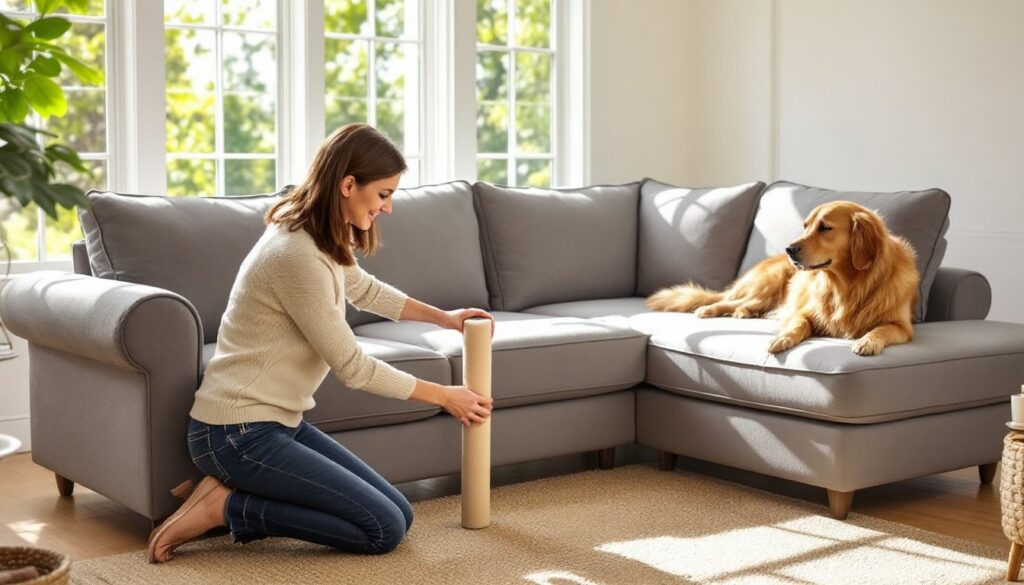
Slip foam tubes (cut to length) into the crevices between the seat cushion and backrest. This anchors the fabric and prevents it from riding up when someone sits. Push the tube deep, about 4–6 inches, using a tuck tool. Repeat for all seams, including the chaise and corner sections.
Step 4: Attach Straps and Fasteners
Most covers include elastic straps or hooks that loop under the sectional’s base. Thread these through the frame or around the legs, pulling snug but not tight enough to distort the fabric. If the sectional has a recliner, secure straps around the mechanism without blocking its range of motion.
Step 5: Replace Cushions and Fine-Tune
Set cushions back in place. Step back and check for uneven draping or visible bunching. Adjust the foam tubes or re-center the fabric if needed. For multi-piece sofa covers for sectional setups, align seams between panels so they’re barely noticeable. Safety pins can temporarily hold seams in place while testing the fit over a few days. Homeowners looking for additional DIY decor ideas often turn to resources like The Spruce Crafts for creative fabric and sewing tutorials.
Installation typically takes 30–45 minutes for a standard L-shaped sectional, longer for U-shapes or complex configurations. Have a second person help with larger covers, it’s easier than wrestling king-size fabric solo.
Maintaining and Cleaning Your Sectional Sofa Covers
Regular maintenance keeps covers looking fresh and extends their usable life.
Weekly: Vacuum the cover using an upholstery attachment to lift dust, pet hair, and crumbs. For microfiber or velvet, use a soft brush attachment to avoid flattening the nap.
Monthly: Remove the cover and shake it outdoors to dislodge embedded debris. Spot-clean stains with a mild detergent and cold water, blot, don’t rub, to avoid spreading the stain. Test any cleaner on an inconspicuous seam first.
Quarterly: Machine-wash covers according to the care label. Most polyester blends tolerate cold or warm water on a gentle cycle. Avoid bleach, which weakens fibers and causes colors to fade. Tumble dry on low heat or line-dry in shade, direct sunlight can cause fading even on colorfast fabrics.
As Needed: Treat pet odors with an enzyme-based cleaner before washing. For heavily soiled covers, pre-soak in a tub with 1/4 cup baking soda and water for 30 minutes.
Canvas and linen covers may require professional cleaning if they’re heavily structured or lined. Check the manufacturer’s recommendations, some water-based stain treatments void warranties.
Store off-season covers in breathable cotton bags, not plastic bins. Plastic traps moisture, which can lead to mildew. Fold covers loosely to avoid permanent creases.
Conclusion
Sectional sofa covers solve real problems, protecting upholstery, hiding wear, and refreshing a space without the cost or commitment of new furniture. Measure carefully, choose fabric based on household demands, and install with attention to anchoring points. With proper care, a quality cover pays for itself in extended furniture life and postponed replacement costs. It’s a straightforward project with immediate, visible results.