Table of Contents
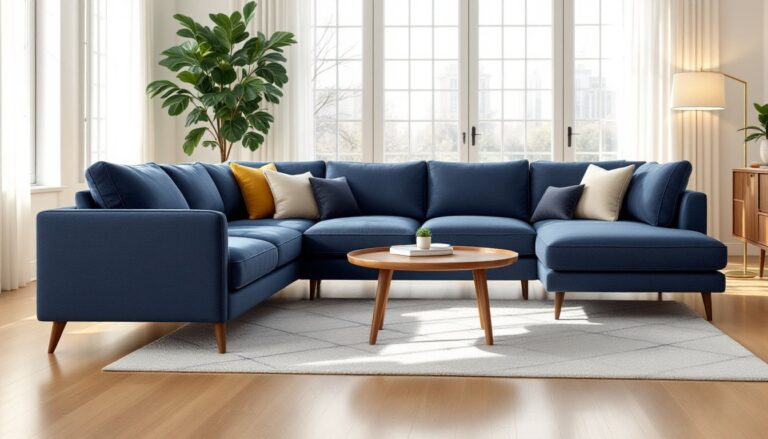
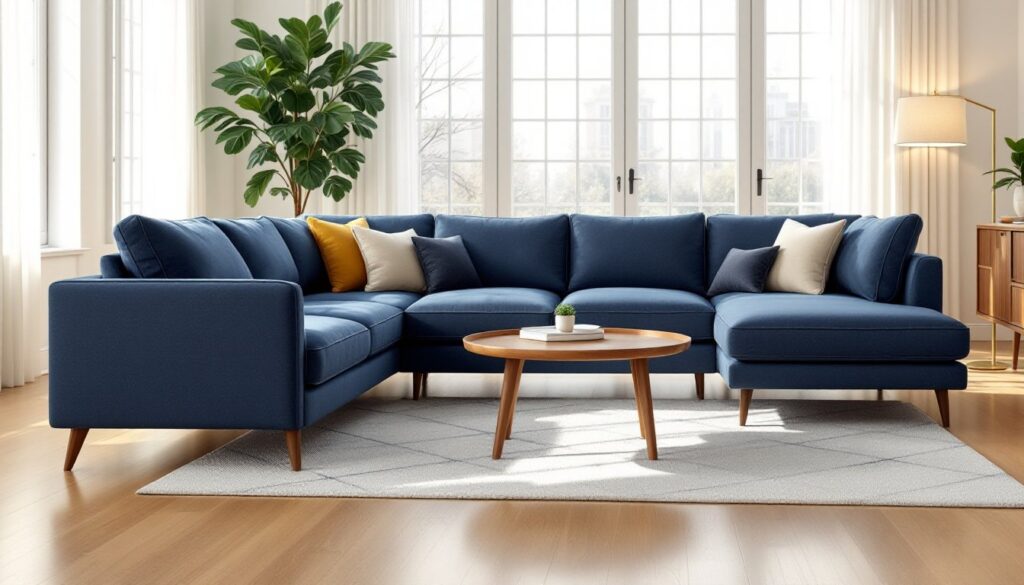
ToggleA blue sectional sofa does more than fill space, it anchors a room, defines traffic flow, and sets the color story for everything that follows. Whether someone’s furnishing a sprawling family room or carving out a cozy media nook, a sectional in the right shade of blue offers flexibility that standard sofas can’t match. But choosing one isn’t as simple as clicking “add to cart” on the first L-shape that catches the eye. Fabric durability, scale proportions, and undertones all matter, and getting them wrong means living with a piece that fights the room instead of completing it.
Key Takeaways
- A blue sectional sofa anchors a room and defines traffic flow better than traditional sofas, offering flexibility across different home layouts and design styles.
- Choosing the right shade—navy for high-traffic homes, slate blue for modern spaces, or powder blue for formal rooms—requires viewing fabric swatches in your actual space under different lighting conditions.
- Measure doorways, hallways, and the complete room footprint before ordering; plan for at least 30-36 inches of clearance between the sectional and other furniture to avoid a cramped feel.
- L-shaped sectionals work best in square or rectangular rooms, while U-shaped and modular options suit larger spaces and future moves respectively.
- Weekly vacuuming, monthly cushion rotation, immediate spot-cleaning, and professional cleaning every 12-18 months keep your blue sectional sofa looking fresh and extend its lifespan.
Why Choose a Blue Sectional Sofa for Your Living Space
Blue brings calm without going neutral. It’s grounded enough to work as a foundational piece but distinct enough to carry visual weight in open floor plans where a beige sofa would disappear.
Sectionals solve layout problems that traditional sofas can’t. They define zones in open-concept homes, maximize seating without crowding the center of the room, and often include chaise extensions or ottomans that adapt to how people actually use the space. A sectional in blue adds that function while introducing color in a way that’s easier to live with long-term than, say, a burnt orange loveseat.
Blue also plays well with wood tones, metals, and a wide range of accent colors. Navy pairs with brass and walnut. Slate blue works with brushed nickel and light oak. Powder blue softens industrial spaces with exposed brick or concrete. That versatility makes it easier to update a room over time without replacing the most expensive piece of furniture in it.
For families or frequent hosts, sectionals encourage gathering. The L-shape or U-shape naturally forms a conversation area, and the extended seating means fewer arguments about who gets the good spot.
Types of Blue Sectional Sofas: Finding Your Perfect Match
Sectionals come in several configurations, and the right one depends on room shape and how the space gets used.
L-shaped sectionals are the most common. They fit into corners, leaving the center of the room open. Most include a three-seat side and a chaise or two-seat return. These work well in square or slightly rectangular rooms where one wall is longer.
U-shaped sectionals wrap around three sides, creating a enclosed seating area. They require more square footage, at least 12 feet by 12 feet, and work best in dedicated family rooms or basements where the sofa is the main event, not part of a multi-use layout.
Modular sectionals consist of individual pieces that can be rearranged. Armless chairs, corner wedges, and ottomans connect via brackets or clips. This flexibility comes at a cost, seams between modules can shift over time, and the pieces may not stay aligned on anything other than low-pile carpet or rugs.
Sleeper sectionals include a pull-out mattress in one section, usually the longer side. The mechanism adds weight and bulk, so measure doorways and stairwells before ordering. Most sleeper mechanisms are either innerspring (heavier, more supportive) or memory foam (lighter, easier to open and close).
Reversible chaise sectionals let the chaise move to either end of the sofa. This is useful if someone’s moving or reconfiguring a room, but it also means the back cushions won’t be tailored to one specific orientation, expect looser, more casual styling.
Selecting the Right Shade of Blue for Your Home
Not all blues read the same way once they’re in a room. Lighting, wall color, and flooring all shift how a fabric looks after delivery.
Navy is the safest choice for high-traffic homes. It hides stains better than lighter blues, works as a neutral anchor, and pairs with both warm and cool palettes. It reads almost black in low light, so it’s best in rooms with good natural light or layered artificial lighting. Navy leans formal unless balanced with casual textures like chunky knit throws or jute rugs.
Slate or steel blue sits in the mid-tone range, not quite navy, not quite powder. It’s modern without being cold, and it’s easier to coordinate with grays and taupes than brighter blues. This shade works well in contemporary spaces with clean lines and minimal pattern.
Teal and turquoise bring energy and warmth thanks to their green undertones. They pair naturally with terracotta, coral, and gold accents. These shades can feel overwhelming in small rooms or spaces with limited natural light, where they may read darker or muddier than expected.
Powder or sky blue lightens a room but shows dirt, pet hair, and wear more readily. These shades work best in adult-only spaces or formal living rooms that don’t see daily use. They pair beautifully with white trim, light wood floors, and soft metallics like brushed gold.
Before committing, order fabric swatches and view them in the actual room at different times of day. A blue that looks perfect in midday sun may turn gray under evening lamps.
How to Style a Blue Sectional Sofa in Different Design Schemes
A blue sectional is a strong starting point, but it needs the right supporting cast to feel intentional.
In coastal or nautical schemes, pair navy or denim blue with crisp white trim, natural fiber rugs, and light wood or painted furniture. Avoid literal anchors and rope accents, stick to texture instead. Linen curtains, rattan baskets, and a jute rug keep the look grounded without veering into theme-park territory.
For modern or mid-century spaces, choose a sectional with low arms and exposed wood or metal legs. Style it with geometric pillows, a low-profile coffee table in walnut or teak, and a single oversized piece of art. Keep the palette tight, navy with mustard and brass, or slate blue with charcoal and chrome.
In traditional or transitional rooms, a rolled-arm sectional in a textured blue fabric (like velvet or herringbone weave) pairs with layered rugs, table lamps with fabric shades, and wood furniture in medium to dark finishes. Add warmth with pillows in cream, rust, or soft gold. A tufted ottoman can double as extra seating and a footrest.
For industrial or loft spaces, go with a deep indigo or slate sectional in leather or distressed fabric. Pair it with metal coffee tables, Edison-bulb fixtures, and minimal window treatments. Exposed brick or concrete walls provide enough texture that accessories can stay simple, one large floor plant, a chunky knit throw, and a few black-and-white prints.
Regardless of style, balance the sectional’s mass with vertical elements like floor lamps, tall bookshelves, or hanging plants. A low, sprawling sofa can make a room feel squat if there’s no height to break it up.
Practical Considerations: Size, Layout, and Room Configuration
Sectionals are large, and most mistakes happen because someone didn’t measure, or measured wrong.
Measure the room, not just the wall. A sectional that fits the wall may block windows, HVAC vents, or electrical outlets. Map out the footprint on the floor with painter’s tape before ordering. Include the depth of the chaise, which typically extends 60 to 75 inches from the wall.
Check doorways, hallways, and stairwells. Measure the narrowest point, including door frames and any turns. Most sectionals arrive in boxes or in separate pieces, but some, especially sleeper sectionals, ship fully assembled. If the piece won’t fit, delivery crews won’t force it. Some manufacturers offer “small doorway” or “apartment-sized” sectionals with lower backs and narrower arms.
Plan for walkways. Leave at least 30 to 36 inches between the sectional and the coffee table, and at least 36 inches of clearance for walkways behind or around the sofa. Tight clearances make a room feel cramped and limit furniture placement down the line.
Consider traffic flow. Sectionals work best when placed perpendicular to the main entry, not blocking it. In open-concept homes, use the sectional to define the living zone without cutting off sightlines to the kitchen or dining area.
Account for future moves. Modular and reversible-chaise sectionals are easier to reconfigure or fit into a new home. One-piece sectionals are sturdier but less adaptable. If there’s any chance of moving within the next few years, modular is the safer bet.
Think about orientation. If the room has a focal point, fireplace, TV, large window, the sectional should face it, not block it. In rooms without a clear focal point, orient the sectional to create one, often by centering it on a large rug and anchoring it with a media console or bookshelf.
Maintenance Tips to Keep Your Blue Sectional Looking Fresh
Blue fabric shows certain kinds of wear more than neutral tones, but regular upkeep keeps it looking sharp.
Vacuum weekly. Use the upholstery attachment to pull dust, pet hair, and crumbs from seams and crevices. Pay attention to the chaise and armrests, where oils from skin and hair build up. For homes covered with design inspiration from renovation shows, high-traffic seating benefits from more frequent cleaning.
Rotate cushions monthly. Flip and swap seat and back cushions to distribute wear evenly. Cushions that stay in one spot develop permanent impressions and fade unevenly if near a window.
Spot-clean spills immediately. Blot (don’t rub) with a clean, dry cloth to absorb as much liquid as possible. Use a fabric cleaner rated for the upholstery type, water-based for synthetics, solvent-based for natural fibers. Test cleaners on an inconspicuous area first. Avoid over-wetting, which can leave water rings or cause the fabric to pucker.
Schedule professional cleaning every 12 to 18 months. Professional steam cleaning or dry cleaning (depending on fabric type) removes embedded dirt and oils that vacuuming can’t reach. This is especially important for lighter blues, which show grime faster.
Protect from sunlight. UV rays fade fabric over time, and blue is particularly vulnerable. Use curtains, blinds, or UV-filtering window film on south- and west-facing windows. Rotate cushions more frequently if the sectional is in direct sun.
Use slipcovers or throws strategically. In homes with kids or pets, washable throws over high-contact areas extend the life of the upholstery. Choose throws that complement the blue, cream, gray, or rust tones, rather than hiding it completely.
Check and tighten hardware. Modular sectionals have brackets or clips that can loosen with use. Check connections every few months and tighten as needed. For sleeper sectionals, lubricate the pull-out mechanism annually with a silicone-based spray to keep it moving smoothly.
Conclusion
A blue sectional is an investment in both function and design. When chosen with attention to scale, fabric, and undertone, and maintained with consistent care, it becomes the kind of piece that grounds a room for years. Measure carefully, test fabrics in the actual space, and don’t rush the decision. The right sectional makes a room work harder without working harder to maintain it.