Table of Contents
ToggleIndoor air quality isn’t just about comfort, it’s about health. Dust, pet dander, pollen, mold spores, and volatile organic compounds circulate through homes constantly, and standard HVAC filters catch only a fraction of them. That’s where dedicated air purifiers come in. Filtrete air purifiers, made by 3M, use layered filtration systems to capture microscopic particles and improve the air you breathe. They’re designed for homeowners who want cleaner air without the complexity of industrial-grade systems. Whether you’re managing allergies, pet hair, or general dust buildup, understanding how these units work and which model fits your space can make a measurable difference in your home’s air quality.
Key Takeaways
- Filtrete air purifiers use True HEPA filtration to capture 99.97% of airborne particles down to 0.3 microns, making them effective for allergy sufferers dealing with pollen, dust, and pet dander.
- Proper sizing based on room square footage and Clean Air Delivery Rate (CADR) is essential—a unit must cycle the room’s air 4-5 times per hour for consistent particle reduction.
- Filter replacement costs typically range from $50-120 annually, with replacement indicators alerting you every 3-6 months, so buying multi-packs and setting calendar reminders prevents efficiency loss.
- Placement at least 12 inches away from walls and central room positioning maximizes performance, while keeping the unit away from water sources and maintaining humidity below 60% ensures durability.
- Filtrete models excel at allergy relief and dust removal but require an activated carbon layer for effective odor and smoke removal, and they work best in enclosed rooms rather than open floor plans.
- With regular maintenance and realistic expectations, Filtrete air purifiers deliver measurable indoor air quality improvements to supplement—not replace—proper ventilation and source control.
What Is the Filtrete Air Purifier and How Does It Work?
Filtrete air purifiers are standalone units manufactured by 3M, a company known for its filtration technology across residential and commercial applications. Unlike whole-house filtration systems that integrate with HVAC ductwork, Filtrete units are portable, plug-in devices that filter air in a single room or zone.
The core mechanism is straightforward: a motorized fan pulls air through a multi-stage filter, traps particles, and recirculates cleaner air back into the room. Most Filtrete models use a True HEPA filter as the primary filtration layer. HEPA stands for High-Efficiency Particulate Air, and to meet the standard, a filter must capture 99.97% of airborne particles down to 0.3 microns in size. That includes pollen, dust mites, mold spores, and some bacteria.
Many Filtrete units also include a pre-filter (usually a mesh or foam layer) that catches larger debris like hair and lint before it reaches the HEPA filter, extending the HEPA filter’s lifespan. Some models add an activated carbon layer to absorb odors, smoke, and volatile organic compounds (VOCs) from paint, cleaning products, or cooking.
The 3M air purifier line shares design DNA with Filtrete’s HVAC filters, which are rated using the MPR (Microparticle Performance Rating) system. While the portable units don’t carry an MPR label, the filtration principles are similar, layered media designed to balance airflow and particle capture.
Air purifiers work best when they can cycle the room’s air multiple times per hour. A unit rated for a 200-square-foot room, for example, should process that volume of air roughly 4-5 times per hour (often called ACH, or air changes per hour). That cycling rate is what keeps particle levels consistently low, not just a single pass-through.
Key Features That Set Filtrete Air Purifiers Apart
Filtrete units compete in a crowded market, but a few features make them particularly suited for DIY-minded homeowners who value practicality over smart-home bells and whistles.
True HEPA filtration is the baseline. Independent testing shows that top air purifiers consistently capture particles at the 0.3-micron threshold, and Filtrete models meet that standard across their lineup. For allergy sufferers, this is non-negotiable.
Filter replacement indicators are built into most models. A light or digital display alerts you when airflow drops or the filter media is saturated, typically every 3-6 months depending on use. This isn’t a luxury, it’s essential. A clogged filter reduces efficiency and can strain the motor.
Multiple fan speeds let you balance noise and performance. Lower speeds are quieter (often under 40 decibels, roughly the sound of a refrigerator hum) and work fine for overnight use. Higher speeds ramp up airflow when you’re cooking, vacuuming, or dealing with seasonal pollen.
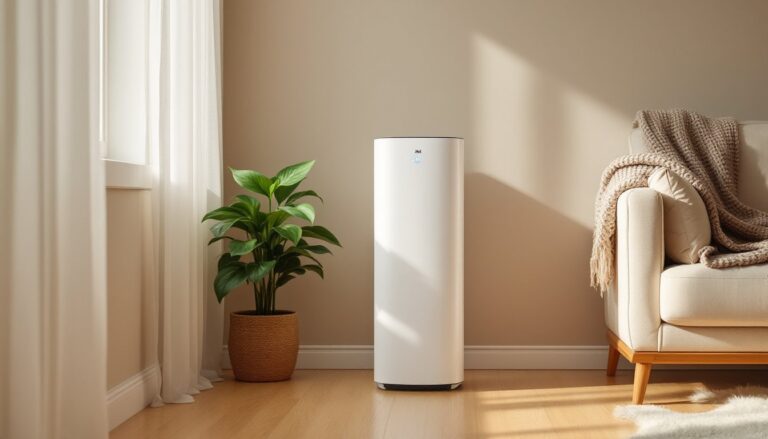
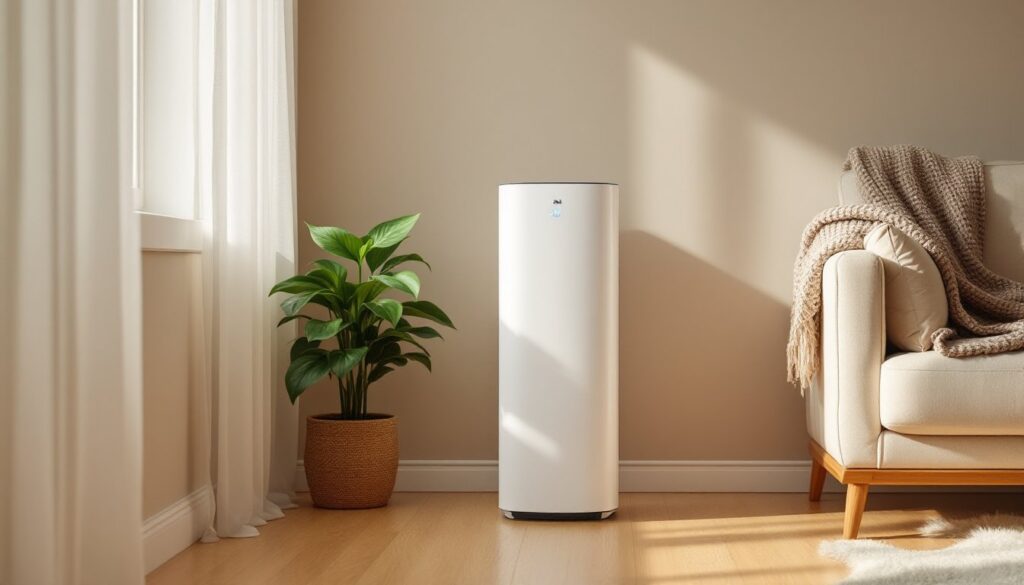
Compact footprint is another practical advantage. Filtrete units are generally tower-style or low-profile designs that fit on a shelf, nightstand, or floor without dominating the room. They don’t require permanent mounting or ductwork modifications, just a standard 120V outlet.
No ionizers or UV lights in most models. While some brands add these features, they can produce trace amounts of ozone (a respiratory irritant) or require additional bulb replacements. Filtrete sticks with mechanical filtration, which is simpler and safer for continuous use.
One limitation to note: Filtrete units generally lack smart connectivity. There’s no app control, air quality sensor, or integration with Alexa or Google Home. If you want automated scheduling or real-time particle readouts, you’ll need to look elsewhere. But for homeowners who prefer a plug-and-forget approach, that simplicity is a feature, not a bug.
Choosing the Right Filtrete Air Purifier for Your Home
Sizing an air purifier isn’t guesswork, it’s based on room dimensions and the unit’s Clean Air Delivery Rate (CADR). CADR measures how many cubic feet per minute (CFM) of filtered air the unit delivers for smoke, dust, and pollen. Higher CADR numbers mean faster cleaning in larger spaces.
Room Size and Coverage Area
Start by measuring the room where you’ll use the purifier. Multiply length by width to get square footage. Then check the purifier’s rated coverage area, which manufacturers list in square feet.
For a 150-200 sq. ft. bedroom, a compact Filtrete model with a CADR around 100-130 works well. For a 300-400 sq. ft. living room or open kitchen, step up to a unit rated for that range, typically with a CADR of 200+.
Ceiling height matters, too. Standard 8-foot ceilings are assumed in most ratings. If you have vaulted or 10-foot ceilings, add 20-25% to your square footage when sizing the unit. The purifier needs to move more air to achieve the same number of cycles per hour.
Placement affects performance. Position the unit at least 12 inches away from walls and furniture to allow unrestricted intake and exhaust. Avoid corners, behind curtains, or under shelves. Central locations work best, if the room has a high-traffic area or a pet bed, place the unit nearby.
Filter Type and Replacement Costs
Filtrete uses proprietary filter cartridges, not universal sizes. When you buy a unit, note the filter model number and check replacement pricing. A single True HEPA filter typically costs $25-40 and lasts 3-6 months with normal use. If you run the unit 24/7 in a high-dust environment (near a job site, during renovations, or with multiple pets), expect closer to the 3-month mark.
Some models use a combination filter with HEPA and carbon layers in one cartridge. Others have separate filters you replace on different schedules, pre-filters every 30-60 days, HEPA filters every 6 months, carbon filters every 3 months. Total annual cost for a single unit runs $50-120, depending on the model.
Buy filters in multi-packs if available, you’ll save 10-15% and avoid the “out of stock” scramble. Set a calendar reminder for replacement dates. A saturated filter not only reduces airflow but can also release trapped particles back into the room if the fan continues to force air through clogged media.
Installation and Maintenance Tips for Optimal Performance
Filtrete air purifiers are plug-and-play, but getting the most out of them requires attention to setup and upkeep.
Initial setup takes under five minutes. Unbox the unit, remove any plastic wrap from the filter (a common oversight that blocks airflow entirely), insert the filter into the housing until it clicks, and close the cover. Plug into a grounded outlet, not a power strip shared with high-draw appliances like space heaters or vacuums.
Run the unit on high speed for the first 30-60 minutes to cycle the room’s air and break in the filter. After that, adjust to a lower speed for quieter operation.
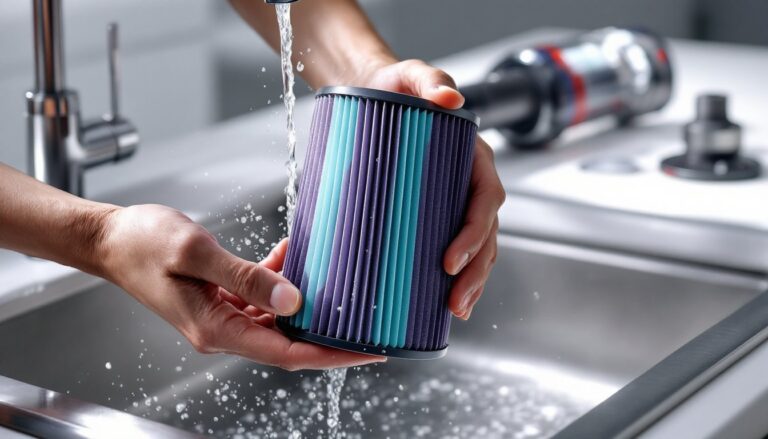
Filter maintenance is the main recurring task. Check the pre-filter monthly. Most are washable, rinse under cool water, let it air dry completely, and reinstall. Never put a damp filter back in: moisture can encourage mold growth inside the unit.
When the HEPA filter needs replacing, turn off and unplug the unit first. Open the cover (usually a snap-fit or screw-secured panel), slide out the old filter, and dispose of it in a sealed bag to avoid releasing trapped particles. Insert the new filter with the airflow arrow pointing toward the fan. Some models have keyed slots to prevent backward installation.
Clean the unit’s exterior every few weeks with a damp cloth. Dust accumulates on intake grilles and exhaust vents, which reduces efficiency. Avoid spraying cleaners directly onto the unit, mist a cloth instead.
Noise troubleshooting: If the unit gets louder over time, it’s usually a clogged filter. Replace it and the noise should drop. If the motor itself sounds rough (grinding, rattling), that may indicate a failing bearing or debris inside the fan housing. Contact 3M support before the warranty expires.
Energy use is modest, most Filtrete units draw 30-60 watts on low speed, comparable to a standard LED light bulb. Running 24/7 adds roughly $3-6 per month to your electric bill at average U.S. rates.
One safety note: Keep the unit away from water sources (sinks, humidifiers, wet basements). Electrical components and moisture don’t mix. If you’re using a purifier in a damp space, check that the room’s relative humidity is below 60%. Higher levels can cause filter media to degrade faster.
Real-World Performance: What Homeowners Need to Know
Lab ratings and marketing claims are one thing. Real-world use reveals where Filtrete units shine and where they have limits.
Allergy relief is the most common success story. Homeowners report noticeable reductions in sneezing, itchy eyes, and congestion within 1-2 weeks of continuous use. That tracks with HEPA filtration’s proven ability to remove pollen and dust mite allergens. For best results, run the unit in the bedroom overnight, you spend 6-8 hours there, and reducing exposure during sleep has the biggest impact.
Pet dander and odor see mixed results. HEPA filters excel at trapping dander, but pet odors (from urine, litter boxes, or wet fur) require activated carbon. If your Filtrete model lacks a carbon layer, it won’t address smell effectively. In that case, consider adding a standalone carbon filter or upgrading to a model with combination filtration.
Smoke removal, from cooking, candles, or wildfires, depends on the carbon layer. HEPA alone captures particulate matter (the visible haze), but doesn’t absorb gaseous compounds. During wildfire season, many homeowners run air purifiers on high and seal windows, which helps but isn’t a substitute for proper N95 masks or evacuation if air quality reaches hazardous levels.
Noise tolerance varies by person. On low speed, Filtrete units are generally bedroom-compatible. On high, they produce a noticeable whoosh. If you’re sensitive to white noise, place the unit farther from the bed or use it in common areas instead.
Effectiveness in open floor plans is limited. Air purifiers work best in enclosed rooms. In a great room or open kitchen-living space, a single unit can’t keep up with the volume. You’ll need multiple purifiers or a larger model with a higher CADR. Recent comparisons of leading air purifiers highlight that coverage area ratings assume closed doors and standard ceilings.
Durability is solid. Filtrete units typically run for 3-5 years with regular filter changes before motors show wear. That’s in line with other mid-tier brands. Keep your purchase receipt and register the product for warranty coverage, 3M typically offers a 1-2 year limited warranty covering defects but not normal wear or filter costs.
One final consideration: air purifiers don’t eliminate the need for source control. If you’re dealing with mold, fix the moisture problem. If dust is the issue, upgrade your HVAC filter and seal duct leaks. Air purifiers supplement good ventilation and housekeeping, they don’t replace them.
For homeowners tackling a renovation, wildfire season, or allergy flare-ups, a Filtrete air purifier is a straightforward addition. It won’t transform your indoor air overnight, but with proper sizing, maintenance, and realistic expectations, it delivers measurable improvement. Testing by independent reviewers confirms that units meeting HEPA standards, including Filtrete models, consistently outperform filterless or lower-grade alternatives. Keep filters fresh, run the unit consistently, and you’ll see the difference in both air quality and how you feel.