

The housing supply chain plays a crucial role in shaping the real estate market, impacting everything from construction costs to home availability. As demand for housing continues to rise, understanding the dynamics of this supply chain becomes essential for developers, investors, and homeowners alike.
Recent developments in the industry have highlighted the challenges and opportunities that arise within this complex network. From material shortages to innovative building practices, the housing supply chain is evolving rapidly. Staying informed about these changes can help stakeholders make better decisions and navigate the ever-shifting landscape of housing supply.
Recent Trends in Housing Supply Chain News
Recent trends in the housing supply chain reflect ongoing challenges and opportunities affecting the real estate market. Stakeholders must remain aware of these developments to navigate the complexities of construction and home availability effectively.
Impact of COVID-19 on Supply Chains
COVID-19 significantly disrupted housing supply chains across the globe. Manufacturers faced shutdowns, leading to production delays and reduced output for critical materials. Labor shortages hindered construction timelines, with many workers leaving the industry or becoming unavailable. As demand for housing surged post-pandemic, the imbalance between supply and demand intensified, raising challenges for developers and investors. Adapting to these conditions became essential for stakeholders aiming to sustain projects.
Rising Material Costs
Rising material costs continue to pose challenges within the housing supply chain. According to the National Association of Home Builders, prices for lumber and steel increased by 75% and 61%, respectively, over recent years. These surges directly impact construction expenses, resulting in higher home prices. Moreover, persistent inflation and increased demand for raw materials contribute to ongoing price pressures. Stakeholders need to explore alternative sourcing strategies and innovative building methods to mitigate costs and maintain profitability.
Key Players in the Housing Supply Chain
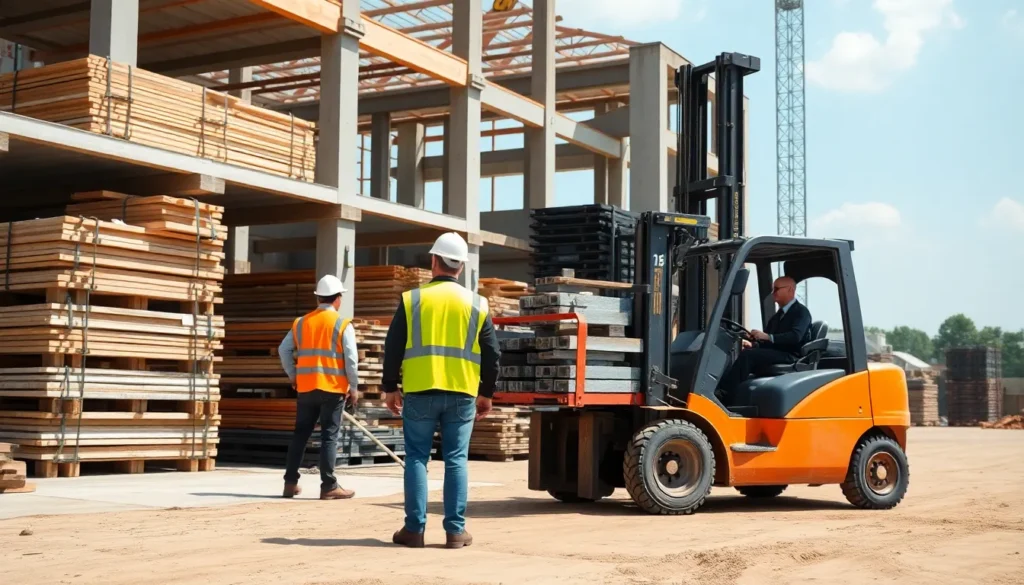
Understanding the key players in the housing supply chain is essential for navigating the complexities of the real estate market. Manufacturers and distributors play pivotal roles in shaping this landscape.
Manufacturers
Manufacturers supply essential building materials like lumber, steel, concrete, and fixtures. They impact costs and availability directly, affecting how quickly projects progress. Many manufacturers have faced challenges such as production delays and raw material shortages in recent years. This trend has driven some to explore alternative materials and sustainable practices, which can enhance efficiency and reduce environmental impact. Industry innovations also include technology integration, enabling faster production cycles and improved quality control.
Distributors
Distributors act as vital intermediaries between manufacturers and construction sites. They manage logistics, including storage and transportation, ensuring timely delivery of materials. Distributors help mitigate supply chain disruptions by sourcing materials from multiple manufacturers, diversifying supply channels. In recent years, many distributors have adopted digital platforms for inventory management, increasing transparency and efficiency. This shift empowers builders and contractors to track orders in real-time and respond swiftly to changing demands.
Innovations Shaping the Future
Innovations in the housing supply chain continually reshape the real estate landscape. Technological advancements and sustainable practices play vital roles in addressing ongoing challenges and improving overall efficiency.
Technology in Supply Chain Management
Technology drives efficiency in supply chain management within the housing sector. Automation enhances production processes, enabling manufacturers to increase output and minimize delays. Real-time data analytics provide insights into demand forecasting, optimizing inventory levels and reducing waste.
Digital platforms streamline logistics, helping distributors manage material flow more effectively. Tools like blockchain enhance transparency, fostering trust between suppliers and contractors. Technologies such as drones and 3D printing expedite the construction process, significantly reducing timeframes and costs.
Artificial intelligence (AI) further refines operations, offering predictive maintenance for equipment and identifying potential disruptions before they escalate. By adopting these technologies, stakeholders can respond proactively to market fluctuations and streamline operations, thus ensuring timely project completion.
Sustainable Practices
Sustainable practices are increasingly integral to the housing supply chain. Eco-friendly materials, such as recycled steel and sustainable timber, reduce the environmental impact of construction projects. Manufacturers are increasingly committed to adopting green materials, which attract environmentally conscious buyers.
Energy-efficient building techniques minimize resource consumption throughout the construction phase. Innovations like modular building allow for reduced waste, as components are produced in controlled environments and then assembled on-site. This not only speeds up the construction process but also cuts down on material costs.
Incorporating sustainable practices does more than contribute to environmental goals; it also enhances marketability. Homes utilizing green technologies, like solar panels and energy-efficient appliances, appeal to a growing demographic interested in sustainability. Consequently, embracing these practices positions stakeholders favorably in a competitive market.
Regional Insights
Regional dynamics significantly influence the housing supply chain. Understanding these nuances helps stakeholders navigate challenges and capitalize on opportunities in different environments.
Urban vs. Rural Supply Chain Dynamics
Urban areas face unique supply chain challenges due to high demand, population density, and land scarcity. Increased construction activity in cities often results in competition for materials and labor, driving up costs. Innovative sourcing strategies, such as local partnerships, help urban developers mitigate these pressures.
Rural regions experience different dynamics with lower demand and greater availability of land. However, they confront challenges in logistics and transportation, affecting material delivery times. Rural developers may focus on regional resources and sustainable practices, leveraging local materials to reduce costs and support community economies.
Effects of Local Regulations
Local regulations significantly impact the housing supply chain by dictating zoning laws, building codes, and permitting processes. Stricter codes can delay project timelines and increase costs for developers. Conversely, flexible regulations may encourage faster development, allowing for quicker responses to housing demand.
Building heights, land use restrictions, and environmental regulations vary widely by region; these differences require stakeholders to stay informed. Equipping oneself with knowledge about local policies can enhance a developer’s ability to navigate the supply chain successfully and ensure compliance while minimizing delays.
The housing supply chain is a critical element in shaping the real estate market. As challenges and opportunities continue to emerge, stakeholders must adapt to the evolving landscape. Embracing innovative technologies and sustainable practices can lead to improved efficiency and reduced costs.
Understanding regional dynamics is equally important for navigating local regulations and market demands. By staying informed and proactive, developers, investors, and homeowners can effectively manage the complexities of the housing supply chain, ensuring they remain competitive in a rapidly changing environment.