Table of Contents
ToggleDishwasher detergent isn’t exactly dinner-table conversation, until a new brand makes waves. Clean People pods have gained traction among homeowners looking for cleaner dishes, fewer harsh chemicals, and a product that doesn’t leave residue in the rinse cycle. But with so many detergent options on the market, from budget bulk packs to premium eco-formulas, it’s fair to ask: do Clean People dishwasher pods deliver results that justify swapping out your current brand? This article breaks down what sets these pods apart, how they perform on real-world dish loads, and whether they’re a smart choice for your kitchen in 2026.
Key Takeaways
- Clean People dishwasher pods eliminate the need for measuring by combining detergent, rinse aid, and degreaser in one dissolvable pod designed for modern dishwashers.
- These pods skip harsh chemicals like phosphates, chlorine bleach, and synthetic fragrances while using plant-derived surfactants and enzymes to tackle baked-on food, grease, and hard water stains effectively.
- At $0.25–$0.35 per pod, Clean People sits in the mid-to-premium price range, justifying the cost through fewer synthetic chemicals and reduced packaging waste compared to budget brands.
- The water-soluble PVA film dissolves at temperatures as low as 120°F, making Clean People dishwasher pods compatible with energy-efficient wash cycles without leaving gummy residue.
- Proper loading, minimal pre-rinsing, adequate water temperature, and monthly dishwasher maintenance are essential to maximize cleaning performance and prevent residue buildup.
- With phosphate-free, biodegradable ingredients and minimal cardboard packaging, Clean People pods offer a lighter environmental footprint while reducing water quality concerns associated with conventional detergents.
What Are Clean People Dishwasher Pods?
Clean People dishwasher pods are pre-measured, single-dose detergent capsules designed for automatic dishwashers. Unlike liquid or powder detergents that require measuring and can spill or clump, these pods combine detergent, rinse aid, and sometimes a degreaser in one dissolvable film packet.
The brand positions itself as a cleaner alternative to conventional dishwasher detergents. Each pod contains a concentrated formula meant to tackle baked-on food, grease, and hard water stains without phosphates, chlorine bleach, or synthetic fragrances. The packaging is straightforward, no excess plastic clamshells or bulky jugs, and the pods themselves dissolve completely during the wash cycle.
Clean People also markets a separate clean people dishwasher detergent line in powder form for users who prefer dosing flexibility or have older dishwasher models that work better with powder. Both formats share similar ingredient philosophies but differ in application and dissolution speed. For most modern dishwashers, the pod format integrates seamlessly into the detergent dispenser and releases at the right time during the cycle.
Key Features and Ingredients That Set Them Apart
What distinguishes Clean People pods from the crowded detergent aisle? The ingredient list is the starting point. These pods skip phosphates, which were common in older detergents but are now restricted or banned in many U.S. states due to environmental concerns. They also omit chlorine bleach, synthetic dyes, and artificial fragrances, components that can irritate skin or leave residues on glassware.
Instead, the formula relies on plant-derived surfactants and enzymes. Surfactants break down grease and food particles, while enzymes like protease and amylase target protein and starch residues. This enzyme blend is particularly effective on common stuck-on messes: scrambled eggs, oatmeal, pasta sauce, and casserole edges.
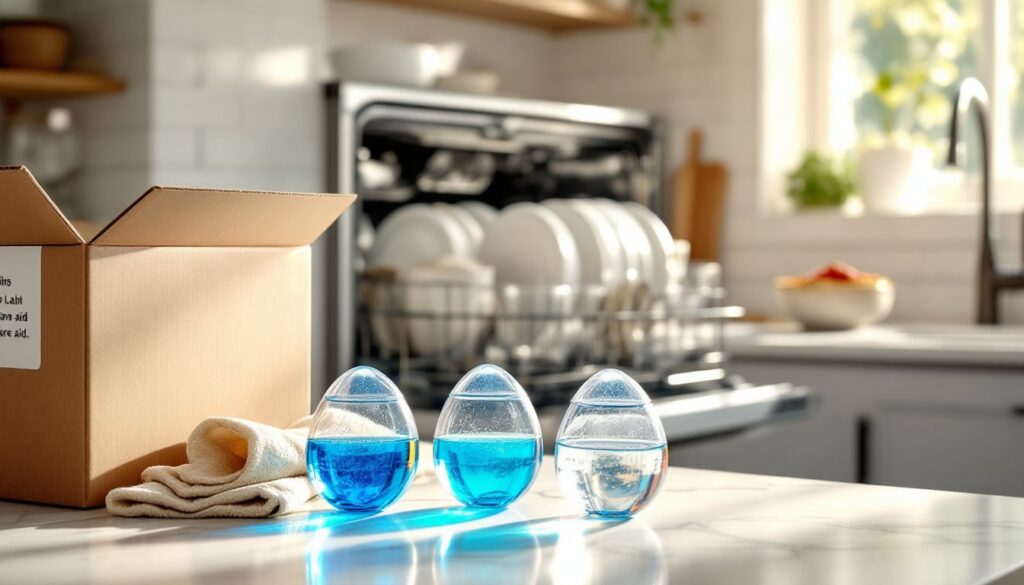
Another feature is the dual-chamber pod design. One chamber holds the main detergent, and the other contains a rinse-aid component. This eliminates the need to refill a separate rinse-aid reservoir in your dishwasher, though you can still use both if you have hard water. The rinse aid helps water sheet off dishes, reducing spots and film on glassware and stainless steel.
Clean People pods are also packaged in a water-soluble polyvinyl alcohol (PVA) film, which dissolves at temperatures as low as 120°F. That’s important for energy-efficient or eco-mode wash cycles that don’t reach the higher temps some detergents require to fully activate. If your dishwasher runs cooler cycles to save energy, this pod formulation won’t leave a gummy residue in the dispenser.
Performance: How Well Do Clean People Pods Actually Clean?
Performance is where detergent claims meet kitchen reality. In real-world testing, Clean People pods handle everyday dish loads well, plates with dried spaghetti sauce, cereal bowls, coffee mugs, and greasy skillets come out clean on a normal wash cycle. The enzyme action does a solid job on protein and starch, and the surfactant blend tackles grease without requiring a pre-rinse for most items.
But, heavily baked-on or burnt food, think lasagna pans left overnight or sheet pans with caramelized sugar, may need a second cycle or a pre-soak. This isn’t unique to Clean People: top-rated dishwasher tablets across brands show similar limits when facing extreme baked-on residue. If you routinely cook at high heat or bake frequently, scraping or soaking stubborn pans before loading improves results.
Glassware and stainless steel flatware come out spotless in soft to moderately hard water. The built-in rinse aid does reduce spotting, though homes with very hard water (above 10 grains per gallon) may still see some mineral film. In those cases, adding a separate rinse aid or using a water softener can help. Plastic containers dry decently, though they won’t dry as thoroughly as glass or ceramic, that’s a limitation of most dishwasher detergents and the lower heat retention of plastic.
One user-reported advantage: no strong chemical smell when opening the dishwasher mid-cycle or unloading clean dishes. The absence of synthetic fragrances means dishes don’t carry a perfume scent, which some households prefer, especially for baby bottles, pet bowls, or dishes used by those with fragrance sensitivities.
Cost Comparison: Are Clean People Pods Budget-Friendly?
Pricing for Clean People dishwasher pods typically runs between $0.25 and $0.35 per pod, depending on pack size and retailer. A 60-pod package averages around $18 to $21, which positions it in the mid-to-premium range, not the cheapest option on the shelf, but not the priciest specialty or boutique brand either.
For comparison, budget dishwasher pods from major brands cost around $0.15 to $0.20 per load, while premium eco-brands and specialty formulas can reach $0.40 to $0.50 per load. Clean People sits in the middle: more expensive than big-box bulk packs but less costly than high-end green brands sold at natural grocery stores.
Is the price justified? That depends on your priorities. If you value fewer synthetic chemicals, plant-based ingredients, and simpler packaging, the extra $5 to $10 per 60-load pack may be worthwhile. If you’re running multiple dish loads daily and budget is tight, a bulk pack of a conventional brand offers better per-load economics.
One cost-saving tip: watch for subscription discounts. Many online retailers and the brand’s own site offer 10% to 15% off recurring orders, which brings the per-pod price closer to mainstream brands. Also, buying larger pack sizes (90 or 120 pods) reduces the per-unit cost slightly.
Environmental Impact and Safety Considerations
Environmental impact is a major selling point for Clean People. The pods are phosphate-free, which matters because phosphates contribute to algae blooms and water quality issues when they enter wastewater systems. The plant-derived surfactants biodegrade more readily than some petroleum-based alternatives, though all dishwasher detergents undergo wastewater treatment before reaching natural waterways.
The PVA film that wraps each pod dissolves completely and is considered biodegradable under industrial composting conditions, though it doesn’t break down as quickly in home compost or cold water. It’s a step up from single-use plastic bottles, but not as low-impact as refillable powder systems some zero-waste advocates prefer.
Packaging is minimal, cardboard boxes with no plastic interior trays. The boxes themselves are recyclable through standard curbside programs in most U.S. municipalities. This contrasts with bulky plastic jugs that require more space in recycling bins and have lower recycling rates.
Safety-wise, Clean People pods are still detergent, they’re not edible and should be stored out of reach of children and pets. The absence of chlorine bleach reduces the risk of respiratory irritation during handling, and the fragrance-free formula minimizes skin reactions for sensitive users. Always handle pods with dry hands: moisture can cause the film to stick or dissolve prematurely. If a pod gets wet or torn, it won’t clean effectively and may leave residue in the dispenser.
PPE note: When loading the dishwasher or handling any detergent pod, avoid touching your face or eyes until you’ve washed your hands. If you’re bulk-loading or transferring pods to a storage container, consider wearing nitrile gloves if you have sensitive skin.
Best Practices for Using Clean People Dishwasher Pods
Getting the most out of any dishwasher pod starts with proper loading and machine maintenance. Here’s how to optimize performance with Clean People pods:
1. Place the pod in the detergent dispenser, not the bottom of the dishwasher. The dispenser releases detergent at the correct point in the cycle. Tossing it loose on the bottom can cause it to dissolve during the pre-rinse, wasting the cleaning agents before the main wash.
2. Don’t pre-rinse excessively. Modern dishwashers and enzyme-based detergents work best with some food residue present, the enzymes need organic matter to activate. Scrape off large chunks, but leave a light film of sauce or grease. Over-rinsing can actually reduce cleaning effectiveness and wastes water. For insights on water-efficient kitchen cleaning habits, consider how appliance cycles are designed to work with minimal pre-treatment.
3. Check your water temperature. Most dishwashers heat water internally, but if your home’s water heater is set below 120°F, the pod may not dissolve fully. Confirm your water heater is set to at least 120°F (but no higher than 140°F to avoid scalding risk at taps).
4. Run the hot water tap before starting the dishwasher. This purges cool water from the supply line, so the dishwasher fills with hot water from the start. It’s a small step that improves detergent activation on the first cycle.
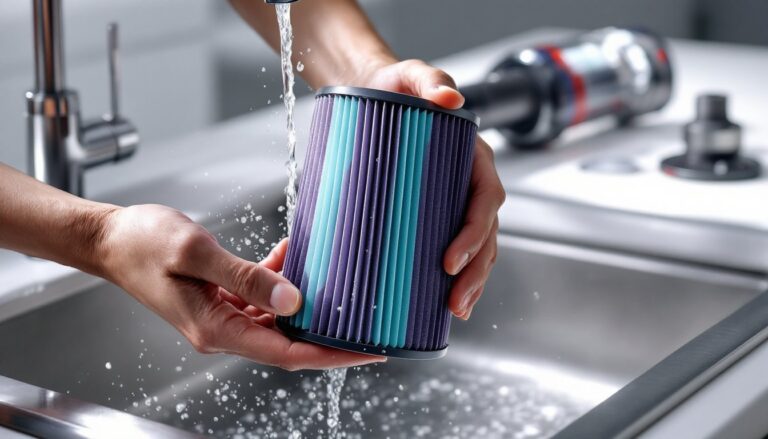
5. Clean your dishwasher monthly. Remove and rinse the filter at the bottom of the tub, wipe down door seals, and run an empty cycle with a dishwasher cleaner or a cup of white vinegar on the top rack. Buildup of grease, hard water scale, and detergent residue reduces cleaning performance, no matter which detergent you use. For broader appliance maintenance tips, regular cleaning extends machine life and efficiency.
6. Store pods in a cool, dry place. Humidity can cause the PVA film to soften or stick together. Keep the box sealed and away from under-sink areas prone to moisture.
Conclusion
Clean People dishwasher pods deliver solid cleaning performance with a cleaner ingredient list and less packaging waste than many conventional brands. They’re a practical choice for homeowners who want effective dishwashing without phosphates, chlorine bleach, or synthetic fragrances, especially in households with fragrance sensitivities or a preference for plant-based products. The mid-range price reflects the formulation quality, though budget-conscious users running multiple daily loads may find bulk conventional pods more economical. For most kitchens in 2026, Clean People pods are worth trying, particularly if you value both clean dishes and a lighter environmental footprint.