Table of Contents
ToggleIf you’ve invested in a Hydro Flask to keep drinks cold or hot for hours, you’re probably wondering about the easiest way to keep it clean. Can you just toss it in the dishwasher with the rest of your dishes? The short answer: it’s not recommended. While it might seem convenient, running your Hydro Flask through a dishwasher cycle can compromise its insulation and finish. This guide walks through exactly why hydroflasks aren’t dishwasher safe, what happens if you ignore that advice, and the best methods to clean and maintain your bottle so it lasts for years.
Key Takeaways
- Hydro Flasks are not dishwasher safe for the bottle body because high heat, harsh detergents, and water jets can compromise the vacuum seal and damage the powder-coated finish.
- Most Hydro Flask caps, lids, and silicone gaskets are dishwasher safe on the top rack, though hand-washing extends their lifespan.
- Hand-washing your Hydro Flask with warm water, mild dish soap, and a bottle brush takes just three minutes and preserves insulation performance for years.
- Deep cleaning methods like baking soda paste, white vinegar soaks, or denture tablets effectively remove stubborn stains and odors without risking damage to the bottle.
- Common mistakes to avoid include freezing full bottles, using boiling water, sealing wet bottles, and neglecting gasket maintenance, all of which can compromise your bottle’s functionality.
Understanding Hydro Flask Construction and Materials
Hydro Flask bottles are built with double-wall vacuum insulation, which is what gives them their impressive temperature retention. The outer shell and inner wall are both made from 18/8 food-grade stainless steel, a corrosion-resistant alloy that’s durable and safe for beverages. Between these two walls is a vacuum-sealed space with virtually no air, which prevents heat transfer through conduction or convection.
The exterior typically features a powder-coated finish that provides grip and adds color. This coating is electrostatically applied and then cured under heat, bonding it to the steel surface. The cap components vary by model but often include polypropylene plastic, silicone gaskets, and sometimes stainless steel threading.
This layered construction is what makes the bottle so effective at keeping your coffee hot for six hours or your water icy for 24. But it’s also what makes the question “can you put hydroflask in dishwasher” more complicated than it seems at first glance. Each material reacts differently to the high heat, harsh detergents, and vigorous water jets inside a dishwasher.
Official Hydro Flask Dishwasher Guidelines
Hydro Flask’s official care instructions are clear: the bottles themselves should not go in the dishwasher. The manufacturer specifically advises hand-washing the bottle body to preserve the vacuum seal and exterior finish.
But, the guidelines differ for accessories. Most Hydro Flask caps and lids are dishwasher safe and can be placed on the top rack. This includes the standard flex cap, wide mouth flex cap, and straw lids. The silicone gaskets and o-rings can also go through a dishwasher cycle, though hand-washing extends their lifespan.
It’s worth noting that some older Hydro Flask models and specialty lids may have different care requirements. Always check the specific product documentation that came with your bottle or visit the manufacturer’s website for model-specific guidance. If you own the Hydro Flask Micro Hydro Mini Bottle, Good Housekeeping’s lab testing confirms that this particular miniature model is dishwasher safe, making it an exception to the general rule.
The bottom line: if you’re asking “are hydroflasks dishwasher safe,” the answer for standard bottles is no, but many of the caps and accessories are fine in the top rack.
Why Dishwashers Can Damage Your Hydro Flask
Understanding why the hydro flask dishwasher combination is problematic comes down to three main factors: heat, detergent chemistry, and mechanical stress.
Heat exposure is the primary culprit. Dishwasher cycles can reach temperatures between 130°F and 170°F during the wash phase, with some sanitize cycles exceeding 180°F. This sustained high heat can compromise the vacuum seal by causing the metal walls to expand at different rates. Once that seal is damaged, even microscopically, the insulation performance drops significantly. Your bottle may still hold liquid, but it won’t keep drinks hot or cold nearly as long.
The powder-coated exterior finish is also vulnerable. Dishwasher detergents contain alkaline compounds, enzymes, and sometimes chlorine bleach, all designed to break down stuck-on food. These aggressive chemicals can gradually degrade the powder coating, leading to discoloration, peeling, or a chalky texture. The coating may also react with hard water minerals, leaving permanent spots or cloudiness.
Mechanical stress from high-pressure water jets adds another layer of risk. The spray arms in dishwashers generate forceful streams that can push water into the threaded openings or around the base where the two walls meet. If water infiltrates the vacuum space, the insulation is permanently ruined. You’ll often hear a sloshing sound inside the walls when this happens, a clear sign of damage.
Finally, the drying cycle’s heat poses additional problems. Many dishwashers use heated air or a heating element at the bottom to speed up drying, which subjects the bottle to another round of high temperatures. This thermal cycling, hot wash, hot rinse, hot dry, is particularly hard on vacuum-sealed products.
The Best Way to Clean Your Hydro Flask at Home
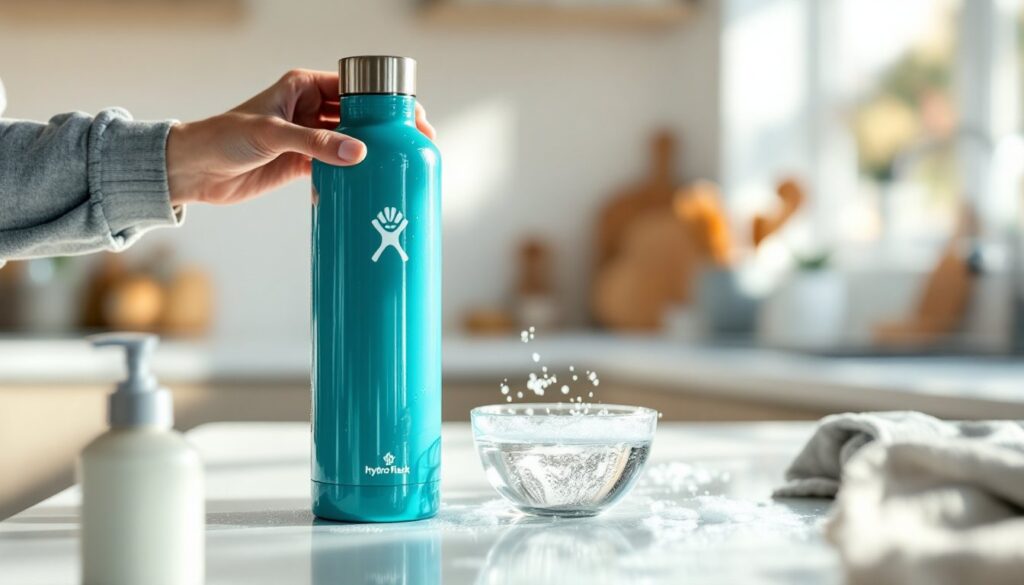
Hand-washing is the safest and most effective method for keeping your Hydro Flask in top condition. Here’s the step-by-step process:
Materials needed:
- Dish soap (mild, unscented varieties work best)
- Bottle brush with soft bristles (look for one with a long handle that reaches the bottom)
- Warm water (not boiling)
- Clean towel or drying rack
Cleaning steps:
-
Disassemble the cap completely. Remove any gaskets, straws, or silicone components. These small parts trap moisture and bacteria if left assembled.
-
Rinse immediately after use. Don’t let beverages sit in the bottle for extended periods. Sugary drinks, coffee, and acidic juices are particularly prone to leaving residue and odors.
-
Fill the bottle about one-third full with warm water. Add a few drops of dish soap, about the amount you’d use for a drinking glass.
-
Use the bottle brush to scrub the interior. Work the brush around the bottom, sides, and up to the neck. Pay special attention to the threads where the cap screws on, as residue accumulates there.
-
Rinse thoroughly with warm water. Make sure all soap residue is gone, leftover soap can affect the taste of your next drink and may cause mild stomach upset.
-
Clean cap components separately. Use a small brush or your fingers to scrub gaskets and o-rings. These can harbor mold if not cleaned regularly.
-
Air-dry completely before reassembling. Turn the bottle upside down on a drying rack or clean towel. This prevents moisture from being trapped inside, which can lead to musty odors or mildew.
For daily maintenance, this routine takes about three minutes. It’s far easier than dealing with compromised insulation or permanent staining from neglect. While you can’t run the bottle through a modern dishwasher setup, hand-washing is actually faster once you establish the habit.
Deep Cleaning Stubborn Stains and Odors
Even with regular washing, Hydro Flasks can develop stubborn stains, lingering odors, or mineral deposits from hard water. Here are proven methods for deep cleaning without risking damage:
Baking soda scrub is excellent for general staining. Mix 2-3 tablespoons of baking soda with just enough warm water to create a paste. Apply this paste to the interior with a bottle brush, let it sit for 10-15 minutes, then scrub and rinse thoroughly. Baking soda is mildly abrasive enough to remove stains but won’t scratch stainless steel.
White vinegar soak tackles odors and mineral buildup effectively. Fill the bottle with a mixture of one part white vinegar to three parts warm water. Let it soak for 2-4 hours (or overnight for severe cases), then scrub with a bottle brush and rinse well. The acetic acid breaks down mineral deposits and neutralizes odors without harsh chemicals.
Denture cleaning tablets work surprisingly well for bottles. Drop one or two tablets into a bottle filled with warm water, let it fizz and sit for an hour, then rinse thoroughly. The effervescent action reaches areas a brush might miss. This method is particularly effective for coffee and tea stains.
For mold or mildew (which can develop if the bottle isn’t dried properly), use a solution of one tablespoon of chlorine bleach per gallon of water. Fill the bottle with this diluted bleach solution, let it sit for 10 minutes maximum, then rinse exhaustively, at least five or six times with clean water. Wear gloves when handling bleach solutions and work in a well-ventilated area.
Crushed ice and salt method provides mechanical cleaning action. Fill the bottle one-quarter full with crushed ice, add 2 tablespoons of coarse salt, close the cap tightly, and shake vigorously for 2-3 minutes. The ice and salt scrub the interior walls, dislodging stuck-on residue. Dump the contents and rinse well.
Never use chlorine bleach at full strength, and avoid abrasive cleaning pads or steel wool, which will scratch the interior surface. Those scratches create microscopic pits where bacteria can colonize.
Common Hydro Flask Care Mistakes to Avoid
Even well-intentioned cleaning practices can damage your bottle if you’re not careful. Here are the most common errors and how to avoid them:
Freezing a full bottle to chill drinks faster can cause problems. Water expands as it freezes, potentially denting the inner wall or compromising the vacuum seal. If you want cold water, add ice cubes to the already-cold liquid instead of freezing the entire bottle.
Using boiling water for cleaning or for hot beverages exceeding the manufacturer’s temperature rating (generally around 185°F for Hydro Flask) can damage the seal over time. Stick to water that’s hot enough for coffee or tea but not at a rolling boil.
Storing the bottle with the cap sealed while it’s still damp creates the perfect environment for mold and bacteria growth. Always air-dry completely with the cap off before storing, especially if you won’t be using it for several days.
Skipping gasket maintenance is a frequent oversight. Those small silicone rings are critical for preventing leaks, but they’re also the first place mold develops. Remove and clean them with every wash, and replace them if they become cracked or permanently stained.
Putting carbonated beverages in your Hydro Flask and then leaving it sealed for hours can build up pressure. While the bottles are built to handle reasonable pressure, excessive buildup can affect the seal. If you do use carbonated drinks, release the cap slightly after a few hours to vent pressure.
Using harsh chemical cleaners like oven cleaner, harsh degreasers, or automotive products will damage both the interior and exterior finishes. Stick to products safe for kitchen surfaces and cookware, if you wouldn’t use it on your pots and pans, don’t use it on your Hydro Flask.
Dropping or denting the bottle compromises the vacuum space. While Hydro Flasks are durable, they’re not indestructible. A significant dent can collapse the inner wall into the outer wall, ruining the insulation. Handle with reasonable care, especially when filled (a full 32-ounce bottle weighs over two pounds).
Conclusion
The answer to “can hydroflasks go in the dishwasher” remains a clear no for the bottle body itself, even though the convenience factor. The combination of high heat, aggressive detergents, and mechanical stress will eventually damage the vacuum insulation and powder-coated finish that make these bottles worth the investment. Hand-washing takes just a few minutes and preserves your bottle’s performance for years. Clean it after each use, deep-clean monthly, and always dry it completely with the cap off. Your Hydro Flask will keep your drinks at the perfect temperature for countless refills to come.