Table of Contents
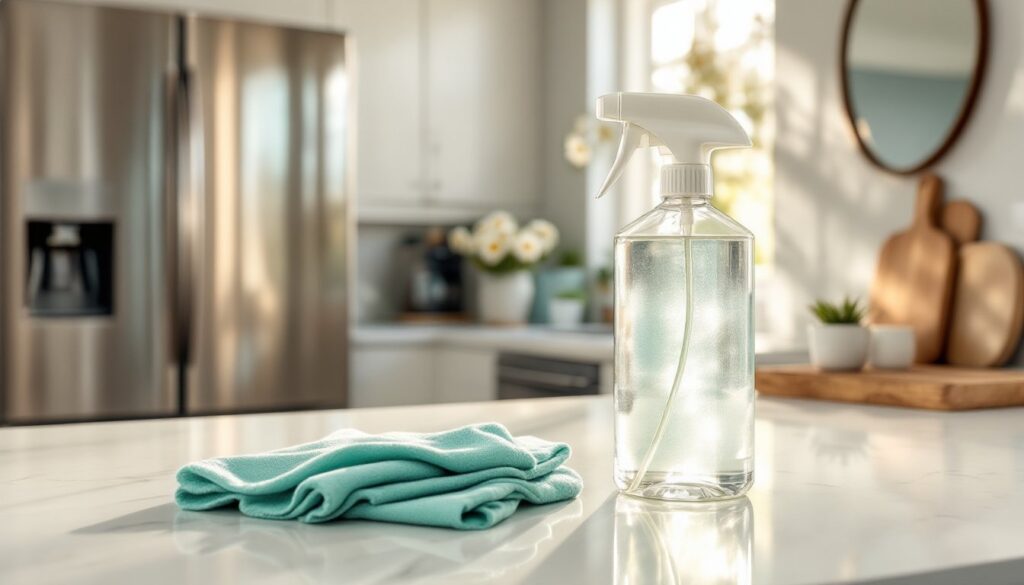
ToggleTraditional glass cleaners have long relied on ammonia for its cutting power, but that harsh chemical smell and potential health risks have homeowners looking for safer alternatives. Ammonia-free glass cleaners deliver the same crystal-clear results without the fumes, making them a smarter choice for homes with kids, pets, and anyone sensitive to strong chemicals. Whether you’re cleaning windows, mirrors, or stainless steel, ammonia-free formulas prove you don’t need harsh ingredients to get professional-looking results. This guide covers why ammonia-free options work better for most households, which surfaces benefit most, and how to use them for streak-free shine every time.
Key Takeaways
- Ammonia-free glass cleaners deliver crystal-clear results without harsh fumes, making them safer for homes with children, pets, and people with respiratory sensitivities.
- Ammonia-free formulas protect delicate surfaces like tinted windows, anti-glare coatings, and stainless steel appliances that can be damaged by traditional ammonia-based cleaners.
- Microfiber cloths, proper technique, and cooler temperatures are essential for streak-free results with ammonia-free glass cleaners, since they evaporate more slowly than ammonia-based products.
- DIY ammonia-free glass cleaner recipes cost just pennies—mix 1 cup water, 1 cup white vinegar, and 1 tablespoon rubbing alcohol for an effective homemade solution.
- Commercial ammonia-free glass cleaners typically cost $4–$7 per bottle and range from plant-based brands like Method and Seventh Generation to certified options like Better Life and Attitude.
Why Choose Ammonia Free Glass Cleaner Over Traditional Formulas
Ammonia-based cleaners cut through grease and grime effectively, but they come with trade-offs that matter in residential settings. The vapors can irritate respiratory systems, especially in poorly ventilated spaces like bathrooms or interior rooms without windows. For anyone with asthma or chemical sensitivities, those fumes aren’t just unpleasant, they can trigger real symptoms.
Ammonia-free glass cleaner formulas use alternative solvents like vinegar, isopropyl alcohol, or plant-based surfactants to break down dirt and oils without the harsh smell. These ingredients evaporate cleanly, leaving behind no residue that can attract dust or create streaks. The result? You get clear glass without opening every window in the house or worrying about lingering fumes.
Another practical advantage: ammonia can damage certain finishes over time. Tinted windows, anti-glare coatings, and some plastics degrade when exposed to ammonia repeatedly. Ammonia-free options are gentler on these materials, which means you can use the same cleaner throughout your home without checking labels for every surface.
Health and Safety Benefits for Your Family and Pets
Pets and young children spend more time near floor-level surfaces, where cleaning product residue can linger. Ammonia fumes settle low in a room, and curious pets can inhale or lick treated surfaces before they fully dry. Ammonia-free formulas reduce that risk significantly.
From a safety standpoint, ammonia should never be mixed with bleach or other cleaners, it produces toxic chloramine gas. Many homeowners don’t realize they’ve created a dangerous combination until it’s too late. Using ammonia-free products eliminates that risk entirely, which matters if multiple people in your household handle cleaning tasks.
For homes with chronic respiratory issues or anyone recovering from illness, switching to an ammonia-free glass cleaner can improve indoor air quality noticeably. The difference isn’t just theoretical, users report fewer headaches, less eye irritation, and an overall more comfortable cleaning experience.
Best Surfaces and Applications for Ammonia Free Cleaners
Ammonia-free glass cleaners handle standard windows and mirrors with ease, but their real versatility shows up on surfaces where ammonia would cause problems. Tinted automotive glass and home window tint films both benefit from ammonia-free formulas, which won’t cause the purple discoloration or peeling that ammonia triggers.
Stainless steel appliances clean up beautifully with ammonia-free cleaners. The gentle solvents remove fingerprints and smudges without stripping protective coatings or leaving water spots. Use a microfiber cloth and wipe with the grain for best results.
Granite and quartz countertops with polished finishes stay shinier longer when cleaned with ammonia-free products. Ammonia can dull sealants over time, while alcohol or vinegar-based cleaners maintain the stone’s luster without compromising the protective layer.
Electronics screens, TVs, computer monitors, tablets, require ammonia-free solutions. Most manufacturers void warranties if ammonia damages anti-reflective or oleophobic coatings. A light spritz of ammonia-free cleaner on a microfiber cloth (never directly on the screen) removes fingerprints safely.
Shower doors and bathroom fixtures benefit from ammonia-free formulas, especially in spaces with limited ventilation. The cleaner cuts through soap scum and hard water deposits without creating a respiratory hazard in a small, steamy room. Homeowners embracing safer cleaning techniques often start with bathroom surfaces where ventilation matters most.
Car interiors present another ideal use case. Dashboard plastics, vinyl upholstery, and tinted windows all respond well to ammonia-free cleaners without the off-gassing that occurs with traditional formulas in enclosed vehicle cabins.
Top Ammonia Free Glass Cleaner Products to Try in 2026
Several commercial ammonia-free glass cleaners have earned strong reputations among DIYers and professional cleaners. Look for products that disclose their active ingredients, transparency matters when you’re choosing formulas for health reasons.
Method Glass + Surface Cleaner uses plant-based ingredients and comes in a mint scent that doesn’t smell like chemicals. It’s effective on standard glass and works well on stainless steel, though very heavy grease may need a second pass.
Seventh Generation Glass Cleaner relies on plant-derived solvents and contains no dyes or synthetic fragrances. It’s a solid choice for households avoiding VOCs (volatile organic compounds), and it performs well on mirrors and windows without streaking.
Better Life Streak-Free Glass Cleaner uses a plant-based formula that’s safe around kids and pets. Users report good results on tinted car windows and electronics screens, where ammonia-free formulations matter most.
Attitude Window & Mirror Cleaner is EWG Verified and uses saponin, a natural plant-based cleaner. It handles fingerprints and light grime effectively, though hard water buildup may require additional scrubbing.
When selecting a commercial product, check whether it’s certified by third-party organizations like EPA Safer Choice or Green Seal. These certifications indicate the formula meets stricter health and environmental standards than unregulated “natural” or “eco-friendly” marketing claims suggest.
Pricing varies, but most ammonia-free glass cleaners cost $4–$7 for a 32-ounce spray bottle, comparable to traditional ammonia-based options. Concentrate refills offer better value for homeowners using glass cleaner regularly throughout the home.
DIY Ammonia Free Glass Cleaner Recipes You Can Make at Home
Mixing your own ammonia-free glass cleaner takes about two minutes and costs pennies per batch. The most reliable recipe combines 1 cup water, 1 cup white vinegar, and 1 tablespoon rubbing alcohol (70% isopropyl) in a spray bottle. The vinegar cuts grease, the alcohol speeds drying and prevents streaks, and water dilutes both to a safe, effective concentration. This simple homemade cleaning spray works for most glass surfaces and mirrors.
For a gentler formula that skips vinegar’s smell, mix 2 cups water with 2 tablespoons rubbing alcohol and 1 teaspoon liquid dish soap (choose a clear, unscented variety). The dish soap lifts oils without leaving residue, while the alcohol ensures fast, streak-free drying. Shake gently before each use, too many bubbles can cause streaking.
If you prefer a fresh scent without synthetic fragrance, add 5–10 drops of essential oil (lemon, lavender, or peppermint work well) to either recipe. Essential oils don’t boost cleaning power, but they make the experience more pleasant without adding harmful VOCs.
Store DIY cleaners in a dark spray bottle or keep them in a cabinet away from direct sunlight, light degrades rubbing alcohol over time. Label your bottle with the contents and date mixed. Most homemade glass cleaners stay effective for 2–3 months.
Use distilled water if your tap water is very hard. Minerals in hard water can leave deposits on glass, defeating the purpose of cleaning. A gallon of distilled water costs about $1 and makes multiple batches.
How to Get Streak-Free Results with Ammonia Free Formulas
Ammonia-free cleaners work differently than ammonia-based formulas, they evaporate more slowly, which means technique matters more. The right tools and approach deliver flawless results every time.
Use microfiber cloths, not paper towels. Paper towels leave lint and micro-scratches on glass. A quality microfiber cloth absorbs moisture without streaking and lasts for hundreds of washes. Keep separate cloths for glass cleaning to avoid transferring oils from other surfaces.
Spray the cloth, not the glass. Excessive cleaner dripping down the surface creates streaks as it dries unevenly. A light mist on the cloth gives you better control and uses less product.
Wipe in one direction first, then buff in circular motions. This two-step process removes cleaner evenly. Start with horizontal or vertical strokes to cover the surface, then use small circles to buff away any remaining moisture.
Clean glass in cooler temperatures or indirect light. Direct sunlight heats glass, causing cleaner to evaporate too quickly and leave streaks. Early morning or overcast days provide ideal conditions for window cleaning. For interior mirrors, ensure the room isn’t overly warm.
Address heavy buildup first. Ammonia-free cleaners handle light dirt easily but struggle with thick grime or paint overspray. Remove heavy deposits with a plastic scraper (not metal, it scratches glass) or a specialized glass scrubbing pad before applying cleaner.
Change cloths when they get saturated. A wet cloth just smears dirt around. Keep two or three microfiber cloths handy, use one for cleaning and another for final buffing. Many home improvement guides emphasize this simple step for better results.
For exterior windows, rinse with clean water afterward. Outdoor glass accumulates more dust and pollen. A quick rinse with a hose prevents residue from drying on the surface and causing streaks.
Common Mistakes to Avoid When Using Ammonia Free Glass Cleaners
Switching to ammonia-free formulas requires adjusting your approach. Several common errors undermine results and make homeowners think ammonia-free cleaners don’t work as well.
Using too much product tops the list. More cleaner doesn’t mean cleaner glass, it means more streaks. A few spritzes on your cloth is sufficient for a standard mirror or window pane. Excess product takes longer to dry and leaves visible residue.
Cleaning in direct sunlight causes the cleaner to evaporate before you can wipe it away properly. This creates streaks and watermarks that require re-cleaning. Wait for cloud cover or tackle windows from inside first, then do exteriors when they’re shaded.
Neglecting to clean cloths regularly transfers oils and dirt back onto glass. Wash microfiber cloths after every 3–4 uses with unscented detergent, fabric softener and dryer sheets reduce their absorbency.
Skipping edges and corners leaves visible dirt lines. Ammonia-free cleaners don’t “crawl” across surfaces the way ammonia does, so you need to physically wipe every inch. Pay special attention to window frames and mirror edges where grime accumulates.
Mixing incompatible ingredients in DIY formulas causes problems. Never combine vinegar with hydrogen peroxide or castile soap, these reactions reduce cleaning effectiveness or create soapy buildup. Stick to tested recipes rather than improvising.
Ignoring hard water deposits sets you up for disappointment. Ammonia-free cleaners won’t remove mineral buildup on their own. Use a 50/50 vinegar-water solution and let it sit for 5–10 minutes before wiping, or use a specialized hard water stain remover first.
Expecting instant drying like ammonia provides leads to impatience. Ammonia-free formulas take 10–20 seconds longer to dry completely. Give the surface time to clear before buffing, or you’ll just spread moisture around and create streaks.