Table of Contents
ToggleIndoor air quality isn’t just about comfort, it’s about health. Dust, pet dander, pollen, and volatile organic compounds (VOCs) circulate through homes daily, and a good air purifier can make a measurable difference. Mooka air purifiers have carved out a niche among budget-conscious homeowners who want HEPA filtration without the premium price tag. They’re compact, straightforward, and designed for real-world use in bedrooms, home offices, and small living spaces. This guide walks through what sets Mooka units apart, how to choose the right model for your space, and how to keep them running efficiently.
Key Takeaways
- Mooka air purifiers use true HEPA filters certified to capture 99.97% of particles down to 0.3 microns, making them effective for allergens, dust, and pet dander at a budget-friendly price of $50–$90.
- The three-stage filtration system (pre-filter, HEPA layer, and activated carbon) works best with continuous low-speed operation; matching the CADR rating to your room size ensures optimal performance without wasting energy.
- Proper placement at least 12 inches away from walls with intake vents at the base allows unrestricted airflow and maximizes air purification efficiency in bedrooms, nurseries, or small home offices.
- Replace HEPA and activated carbon filters every 3–4 months in high-pollen environments or every 6 months with intermittent use, cleaning the reusable pre-filter monthly to maintain consistent performance.
- While Mooka purifiers excel at reducing dust and light odors, they cannot eliminate heavy smoke or act as a substitute for proper ventilation and source control in heavily polluted indoor spaces.
What Makes Mooka Air Purifiers Stand Out for Homeowners
Mooka targets a specific sweet spot: homeowners who need effective air filtration but don’t want to spend $300+ on a single unit. These purifiers use true HEPA filters (not HEPA-type or HEPA-like), which means they’re certified to capture 99.97% of particles down to 0.3 microns, covering pollen, mold spores, dust mites, and most bacteria.
The design is refreshingly simple. No app connectivity, no voice control, no smart sensors that guess at air quality. You get a dial or button interface, a filter replacement indicator, and a night light option. That simplicity translates to reliability. There’s less to break, and troubleshooting rarely goes beyond checking if the filter is seated correctly.
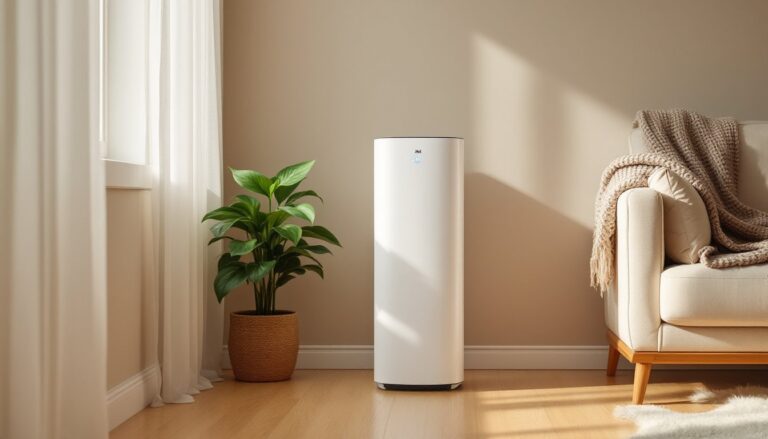
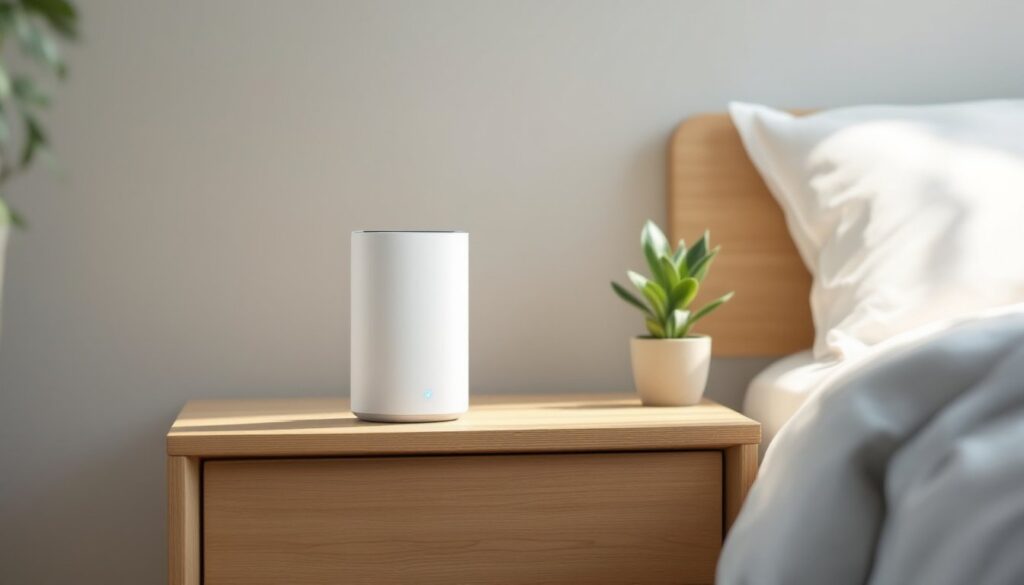
Most Mooka models are cylindrical, standing about 10–12 inches tall with a footprint smaller than a dinner plate. They’re light enough (usually under 5 pounds) to move from room to room as needed. The aesthetic won’t win design awards, but the neutral white or black finishes blend into most spaces without drawing attention.
Price is the clearest differentiator. Mooka units typically retail between $50 and $90, making them accessible for renters, first-time homeowners, or anyone outfitting multiple rooms on a budget. They’re not built for whole-home coverage, but for targeted filtration in bedrooms, nurseries, or home offices, they deliver solid value.
Key Features and Technology Behind Mooka Air Purifiers
Mooka uses a three-stage filtration system: a pre-filter, a true HEPA filter, and an activated carbon layer. The pre-filter catches larger particles like hair and lint, extending the life of the HEPA layer. The HEPA filter handles the microscopic stuff, allergens, fine dust, smoke particles. The activated carbon layer absorbs odors and some VOCs, though it’s not a substitute for proper ventilation when dealing with paint fumes or strong chemical off-gassing.
Airflow is driven by a brushless DC motor, which is quieter and more energy-efficient than older AC motor designs. On low speed, most Mooka units run at around 25–30 decibels, quieter than a whisper. High speed bumps that up to 45–50 dB, roughly the level of a quiet conversation. That makes them suitable for overnight use in bedrooms without disrupting sleep.
The Clean Air Delivery Rate (CADR) for Mooka models typically falls between 80 and 120 cubic feet per minute (CFM), depending on the model. CADR measures how quickly a purifier can clean a given volume of air. For context, a CADR of 100 CFM is appropriate for rooms up to about 215 square feet, assuming an 8-foot ceiling and two air changes per hour. That’s enough for a master bedroom or a 12×18-foot home office, but not for an open-concept living area.
Most models include a filter replacement reminder, usually a light that illuminates after roughly 2,000 hours of use (about 3–4 months of continuous operation). There’s no actual sensor measuring filter condition: it’s a timer-based estimate. If you’re only running the unit during sleep or peak allergy season, you can reset the indicator and stretch filter life to 6 months or more.
Best Mooka Air Purifier Models for Different Room Sizes
Mooka’s lineup is fairly streamlined. The Mooka GL-FS32 is one of the most popular models, rated for rooms up to 215 square feet. It’s a good fit for bedrooms, nurseries, or small home offices. The unit stands about 10.5 inches tall and weighs 4.8 pounds. It has three fan speeds, a night light with two brightness settings, and a timer function (2, 4, or 8 hours). Replacement filters run about $15–$20 each.
For slightly larger spaces, up to 270 square feet, the Mooka EPI810 steps up the CADR to around 118 CFM. It’s physically larger (12 inches tall, 7 inches in diameter) and adds a fourth fan speed for faster air turnover during high-pollen days or after cooking. The filter design is similar, but the increased surface area allows for longer run times before pressure drop becomes noticeable.
If you’re outfitting multiple rooms, buying two or three smaller units often makes more sense than hunting for a single high-capacity purifier. Air purifiers work best when they’re in the room where you spend the most time. A unit in the hallway won’t do much for a closed bedroom.
Avoid oversizing. A purifier rated for 400 square feet in a 150-square-foot room won’t clean the air twice as fast, it’ll just cycle the same air more often, which can shorten filter life without meaningful benefit. Match the CADR and room size rating as closely as possible.
How to Set Up and Optimize Your Mooka Air Purifier
Unbox the unit and remove the HEPA filter from its plastic wrap. Mooka ships filters sealed to prevent contamination, and forgetting to remove the plastic is the most common setup mistake. The filter slides into the base of the unit, usually with a twist-lock or clip mechanism. You’ll feel it seat properly, don’t force it.
Placement matters. Position the purifier at least 12 inches away from walls, furniture, or curtains to allow unrestricted airflow. The intake vents are usually at the base, and the exhaust is at the top. Blocking either reduces efficiency. Place the unit on the floor or a low table, not on a high shelf, pollutants like dust and pet dander settle low, and you want the purifier drawing from the lower half of the room.
Run the unit continuously on low speed rather than intermittently on high. Continuous operation maintains consistent air quality, while sporadic use lets pollutants build up between cycles. The energy cost is minimal, most Mooka models pull 10–20 watts on low, less than a typical LED bulb.
Close windows and doors when the purifier is running. It can’t keep up with a constant influx of outdoor pollen or traffic exhaust. If you need fresh air, crack a window for 10–15 minutes, then close it and let the purifier work.
The night light feature is optional. If you’re sensitive to light while sleeping, turn it off or cover the indicator with black electrical tape. Some users report the LED is brighter than expected.
Maintenance Tips and Filter Replacement Guide
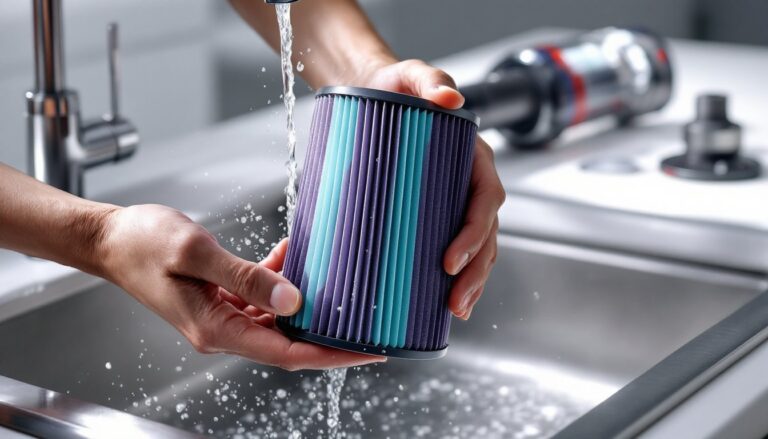
The pre-filter is reusable and should be cleaned every 2–4 weeks, depending on dust levels. Pull the filter assembly out, tap off loose debris outdoors, and vacuum the pre-filter with a brush attachment. Don’t wash it, moisture can promote mold growth inside the unit.
The HEPA and activated carbon layers are not washable and must be replaced as a single unit. Mooka’s filter lifespan estimate is 2,000 hours, but actual replacement intervals depend on air quality. If you live in a high-pollen area, have multiple pets, or run the purifier 24/7, plan on replacing filters every 3–4 months. In cleaner environments with intermittent use, 6 months is realistic.
When airflow feels noticeably weaker or the unit struggles to quiet down on low speed, the filter is likely clogged. Don’t wait for the reminder light, pressure drop is a better indicator.
Replacement filters are model-specific. Verify the part number before ordering. Generic “compatible” filters sometimes fit, but filtration efficiency and fit quality vary. OEM Mooka filters are widely available through major retailers and typically cost $15–$25.
Safety note: Unplug the unit before handling filters or cleaning. Wipe down the exterior with a damp microfiber cloth, no harsh chemicals. Dust buildup on the intake vents reduces performance, so check them monthly.
If you’re in a workshop or garage environment with sawdust or fine particulates, a dedicated shop air filtration system is a better choice. Mooka units aren’t designed for heavy-duty or hazardous material capture.
Real-World Performance: What Homeowners Should Expect
Mooka purifiers won’t eliminate every airborne particle, but they make a noticeable difference in moderately polluted indoor environments. Users commonly report reduced dust accumulation on furniture, fewer allergy symptoms during pollen season, and less lingering cooking odor. These are realistic outcomes for a HEPA purifier in the sub-$100 range.
Don’t expect miracles with smoke. The activated carbon layer handles light odors, pet smells, mustiness, faint cooking odors, but it’s not thick enough to scrub out heavy wildfire smoke or persistent cigarette odor. For smoke events, you need a purifier with several pounds of activated carbon, which Mooka doesn’t offer.
Pet owners see mixed results. The HEPA filter captures dander effectively, but it won’t eliminate shedding or the need for regular vacuuming. Pairing a Mooka purifier with a decent vacuum (preferably one with a HEPA exhaust filter) gives better overall results than either tool alone.
Noise is subjective. On low speed, most people forget the unit is running. High speed is audible but not intrusive, think of it like a bathroom exhaust fan. If you’re sensitive to white noise, test the night light setting: some units emit a faint hum that’s more noticeable in dead silence.
Many air purifier testing labs evaluate performance using standardized particle counts and controlled environments, providing benchmarks for comparison. Homeowners looking to integrate air quality management into broader smart home setups may find value in exploring higher-end models with connectivity features, though Mooka’s simplicity appeals to those prioritizing ease of use. For product longevity and maintenance tips, resources like Good Housekeeping offer tested recommendations across household appliances.
Conclusion
Mooka air purifiers deliver straightforward, budget-friendly HEPA filtration for small to medium-sized rooms. They’re not feature-rich, and they won’t replace proper ventilation or source control, but for homeowners tackling everyday allergens, pet dander, and light odors, they’re a practical tool. Match the model to your room size, replace filters on schedule, and run the unit consistently for best results.