Table of Contents
ToggleIf you’re planning a kitchen renovation or replacing an aging dishwasher, the Bosch Benchmark series represents the top tier of this German manufacturer’s residential lineup. Known for whisper-quiet operation, precision cleaning, and sleek European design, Benchmark models carry a premium price tag, but deliver features that serious home cooks and design-conscious homeowners appreciate. This guide breaks down what sets the Benchmark apart, what you’ll need to know for installation, and whether the investment makes sense for your kitchen.
Key Takeaways
- The Bosch Benchmark dishwasher delivers whisper-quiet operation at 40–42 dBA with CrystalDry mineral-based drying technology that thoroughly dries plastics and glassware better than standard condensation methods.
- Premium features including the adjustable MyWay third rack, AutoAir door-pop technology, and hidden control panel justify the $1,600–$2,200 price point for design-conscious homeowners seeking high-end aesthetics and performance.
- A Bosch Benchmark dishwasher requires a dedicated 120V, 15-amp circuit and standard 24-inch cabinet opening, with installation complexity ranging from 2–3 hours for a straightforward swap to a full day if new electrical or plumbing work is needed.
- The self-cleaning filter and stainless steel tub reduce maintenance demands, but regular rinse aid refills, quarterly descaling in hard-water areas, and annual drain checks are essential to maintain peak cleaning and drying performance.
- While the Bosch Benchmark costs $400–$700 more than the 800 series, the upgraded drying technology and designer-grade finishes make it the better choice if kitchen aesthetics and dry-dish results are top priorities; otherwise, the 800 series delivers 90% of the performance at a lower cost.
What Makes the Bosch Benchmark Dishwasher Stand Out?
The Benchmark series sits above Bosch’s 300, 500, and 800 lines, targeting homeowners who want the best available technology without stepping up to a built-in commercial unit. The most visible difference is the MyWay third rack, a full-width, adjustable top rack with fold-down wings for spatulas, measuring cups, and small bowls. It’s deeper than the shallow cutlery trays found on mid-tier models, so you can fit larger kitchen tools without blocking the spray arms below.
Benchmark dishwashers use CrystalDry technology, a mineral-based drying system that heats the tub to higher temperatures than standard condensation drying. This results in genuinely dry plastics and glassware, a chronic weak point for European-style dishwashers. You’ll also find bar handles (not pocket handles) in stainless or custom panel-ready versions, which many designers prefer for contemporary or transitional kitchens.
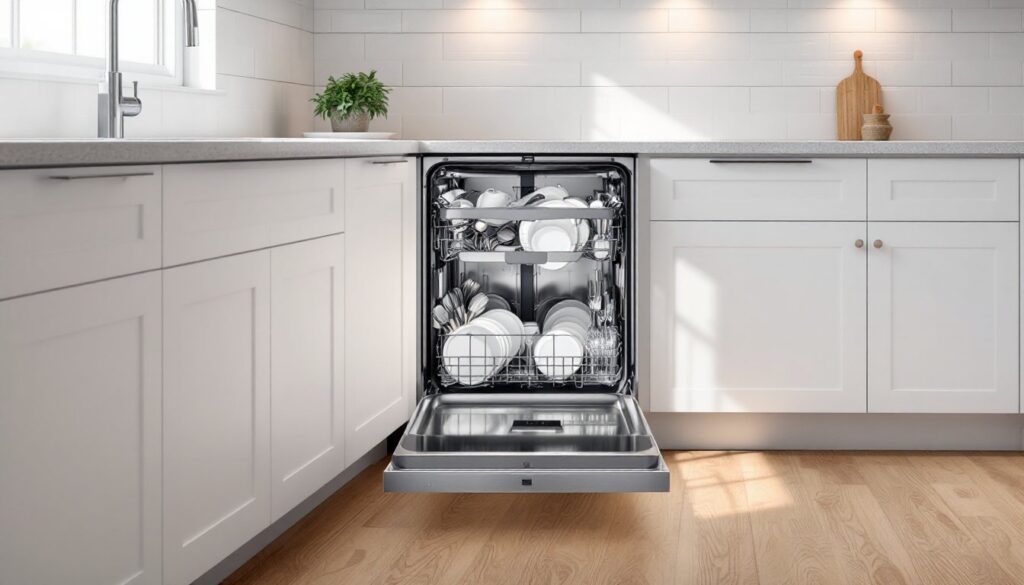
Every Benchmark model includes Bosch’s AutoAir feature: the door automatically pops open a few inches at the end of the dry cycle to release steam. It’s a small detail, but it prevents that musty smell if you forget to unload the dishes overnight. The control panel is hidden on the top edge of the door, keeping the front clean and uncluttered, great for integrated installations, but less convenient if you prefer to see cycle status at a glance.
Key Features and Performance Capabilities
Benchmark models come with six wash cycles (Auto, Heavy, Normal, Eco, Speed60, and Half Load) plus options for Extra Dry, Sanitize, and delayed start. The Auto cycle uses sensors to adjust water temperature and duration based on soil level, which is handy if your household rinses plates versus scraping them.
Capacity is 16 place settings, which includes the third rack. The lower rack has adjustable tines that fold flat for sheet pans or large platters, and the middle rack raises or lowers on a dual-height system, useful when you need vertical clearance for tall wine glasses or travel mugs.
The wash system uses a combination of spray arms (bottom, mid, and top) plus a dedicated nozzle for the third rack. Water pressure is strong enough to handle baked-on casserole dishes without pre-soaking, though heavily charred cookware may still need a hand scrub. The filtration system is self-cleaning, so you won’t need to pull and rinse a filter every week like some competitor models.
Cycle times vary: Auto runs 90–135 minutes, Heavy is about 135 minutes, and Speed60 finishes in an hour for lightly soiled loads. Eco mode can stretch to 4+ hours, trading time for energy efficiency, it’s certified to use as little as 2.9 gallons per cycle, well below EPA WaterSense standards.
Noise Levels and Quiet Operation
Bosch rates the Benchmark series at 40–42 dBA, depending on the specific model. For context, that’s quieter than a typical refrigerator hum and about as loud as a library whisper. The sound insulation comes from multi-layer sidewalls, a heavy base plate, and a stainless steel tub that dampens vibration better than plastic.
In practice, you’ll hear a faint rush of water if you’re standing right next to the unit, but it won’t interrupt conversation in an open-plan kitchen. The AutoAir door pop releases a brief hiss of steam, some users find it startling if they’re not expecting it. If your kitchen opens to a bedroom or home office, the Benchmark’s low noise floor is a genuine advantage over builder-grade models that rumble at 50+ dBA.
Installation Considerations for Your Kitchen Renovation
Benchmark dishwashers are designed for standard 24-inch openings (actual unit width is 23⅝ inches), fitting the same rough-in as most North American base cabinets. Height is adjustable from 33⅞ to 34⅝ inches using the leveling legs, so you can align the top edge with your countertop. Depth is 24 inches not including the door handle, which adds another 2–3 inches depending on the model.
You’ll need a 120V, 15-amp dedicated circuit, do not share this with a garbage disposal or other appliances. The Benchmark draws about 10 amps during the heating cycle, so a shared circuit may trip the breaker. If you’re rewiring an older kitchen, verify the outlet is GFCI-protected and within 4 feet of the unit (per NEC guidelines).
The water supply line should be ⅜-inch compression fitting with a shut-off valve, and the drain hose connects to either your garbage disposal or a sink tailpiece with an air gap (required by code in many jurisdictions). Bosch includes a 6-foot drain hose: you may need an extension if the sink is farther away. Always check your local plumbing codes, some areas require a high loop or separate air gap device to prevent backflow.
If you’re installing a panel-ready model (SHV89PW), you’ll attach a custom cabinet door to the front. The unit ships with mounting brackets and drilling templates, but you’ll need to coordinate with your cabinet maker to ensure the panel weight doesn’t exceed 20 pounds and the dimensions match the opening. This is a two-person job, one to hold the panel, one to drive screws. Misalignment here is tough to fix after the fact.
Installation difficulty is moderate if you’ve done basic plumbing and electrical work. Budget 2–3 hours for a straightforward swap. If you’re cutting into a new cabinet opening, running a new circuit, or moving plumbing, expect a full-day project or hire a licensed plumber/electrician. Many retailers include delivery and installation: compare that cost to DIY before you commit.
Pricing and Value: Is the Benchmark Series Worth the Investment?
As of early 2026, Benchmark dishwashers retail between $1,600 and $2,200, depending on finish and features. Stainless steel fronts run cheaper than custom panel-ready or black stainless options. Sales events (Memorial Day, Black Friday, appliance package deals) can knock $200–$300 off MSRP.
For comparison, Bosch’s 800 series, one step down, runs $1,200–$1,500 and shares many of the same features (quiet operation, third rack, AutoAir). The Benchmark adds CrystalDry, the deeper MyWay rack, and premium bar handles. Whether those upgrades justify the extra $400–$700 depends on how much you value completely dry dishes and designer-grade aesthetics. According to testing from leading appliance labs, the Benchmark series consistently earns high marks for drying performance and build quality.
Long-term value hinges on reliability. Bosch dishwashers generally hold up well, but parts and service can be pricey if you’re outside the one-year manufacturer warranty. Consider an extended warranty if you’re nervous about out-of-pocket repairs. The energy savings, about $35–$50 per year versus an older dishwasher, won’t recoup the premium on their own, but they do offset operating costs over a 10-year lifespan.
If your kitchen includes other high-end appliances and you care about a cohesive, low-profile look, the Benchmark fits that context. If you’re on a tighter budget or mainly need a reliable workhorse, the 800 series delivers 90% of the performance at two-thirds the cost.
Maintenance Tips to Keep Your Bosch Benchmark Running Smoothly
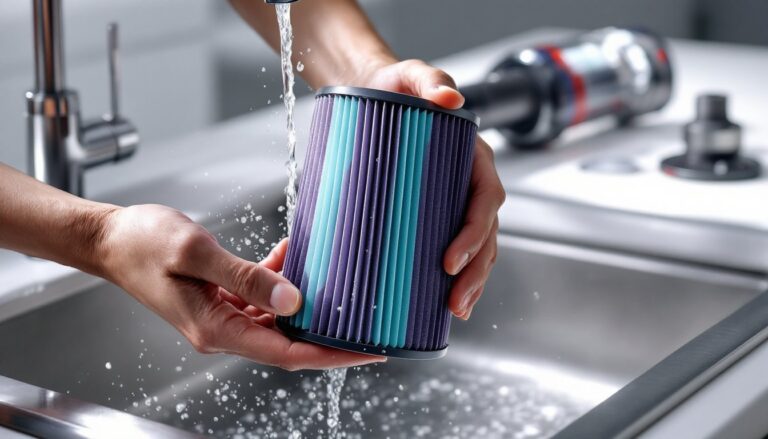
The Benchmark’s self-cleaning filter reduces manual maintenance, but you should still inspect it every few months. Remove the bottom rack, twist out the cylindrical filter assembly, and rinse under hot water. Check for broken glass, fruit pits, or other debris that could clog the pump.
Hard water is the biggest enemy of any dishwasher. If your area has mineral-heavy water, run a descaling cycle every 3–6 months using a product like Finish or Affresh dishwasher cleaner. You’ll see white film on glassware or a chalky residue on the tub walls when it’s time. The Benchmark’s stainless tub resists staining better than plastic, but minerals still accumulate on the spray arms and heating element.
Wipe down the door gasket monthly with a damp cloth. Food particles and grease can build up in the folds, leading to odors or leaks. Don’t use harsh abrasives, mild dish soap and water are enough.
Spray arms should spin freely. If water pressure drops or dishes come out dirty, remove the arms (they twist off) and clear the holes with a toothpick or small wire. Mineral deposits and food debris clog these faster than you’d expect, especially if you skip the rinse aid.
Keep the rinse aid dispenser filled. Bosch’s CrystalDry works best with rinse aid to break surface tension on water droplets. Even if you use detergent pods with “built-in” rinse aid, a separate dispenser improves drying results. Adjust the rinse aid setting (1–5) if you see streaks or excess suds.
Check the drain hose and air gap annually. A kinked hose or clogged air gap causes standing water at the bottom of the tub. If you notice slow draining, disconnect the hose and flush it with a garden hose or wet/dry vac.
Comparing Bosch Benchmark to Other Premium Dishwasher Options
Miele G7000 series ($1,800–$2,400) is the Benchmark’s closest European rival. Miele offers similar noise levels, drying performance, and build quality, with a reputation for longevity, some owners report 15+ years of service. The knock: parts are expensive, and Miele’s service network is thinner outside major metro areas. If you value brand heritage and don’t mind waiting for repairs, Miele edges ahead. For most homeowners, the Bosch Benchmark offers comparable performance with easier service access. Insights on smart appliance integration can help you decide if connectivity features matter for your setup.
KitchenAid KDTM804KPS ($1,400–$1,700) is a North American alternative with a similar feature set: third rack, 44 dBA noise, and ProWash cycle. It’s louder than the Benchmark and uses traditional heated-dry, which doesn’t match CrystalDry for plastics. KitchenAid’s advantage is a wider service network and more forgiving cycle times if you’re used to faster dishwashers. It’s a solid pick if you prioritize domestic brand support.
LG Signature LUDP8908SN ($1,600–$1,900) brings Wi-Fi connectivity, QuadWash spray arms, and a sleek glass-touch panel. Drying performance lags behind Bosch’s CrystalDry, and the third rack is shallower. LG’s smart features (remote start, cycle alerts) appeal to tech-oriented users, but the Benchmark focuses on core cleaning and drying without app dependency.
Bosch 800 series ($1,200–$1,500) is the internal competition. You lose CrystalDry and the deep third rack, but keep AutoAir, quiet operation, and solid cleaning. For many users, this is the sweet spot, premium enough for a modern kitchen, but without the Benchmark’s luxury pricing.
Consider design priorities for your kitchen as well. Whether you’re working on a full remodel or just upgrading appliances, kitchen layout and workflow should guide your appliance choices. The Benchmark’s panel-ready option integrates seamlessly into European-style cabinetry, while stainless models suit transitional or contemporary designs.