Table of Contents
ToggleIf you’ve ever scrubbed a stubborn stain on your hands and knees, only to have it reappear the next day, you know the frustration of cleaning floors the old way. The Shark Steam and Scrub Mop promises to change that, combining the sanitizing power of steam with rotating scrub pads that tackle stuck-on messes. It’s not just another mop: it’s a tool that handles what a regular steam mop leaves behind. Whether you’re dealing with dried juice spills, grimy grout, or muddy paw prints, this hybrid cleaner aims to deliver professional-level results without harsh chemicals or excessive elbow grease.
Key Takeaways
- The Shark Steam and Scrub Mop combines motorized rotating pads with heat to tackle stuck-on stains and dried spills more effectively than standard steam mops.
- The mop works safely on sealed ceramic tile, natural stone, vinyl, and concrete, but requires caution on laminate and engineered wood, and should never be used on unsealed hardwood or waxed floors.
- Proper maintenance including immediate pad rinsing, regular descaling with vinegar and distilled water, and monthly inspections ensures optimal performance and extends the mop’s lifespan.
- The rotating pads eliminate the need for harsh chemicals, making the Shark Steam and Scrub Mop ideal for homes with pets, children, or chemical sensitivities.
- At 7.5 pounds with a 12-ounce tank capacity, the mop heats up in 30 seconds but requires refilling every 15–20 minutes for large spaces.
What Is the Shark Steam and Scrub Mop?
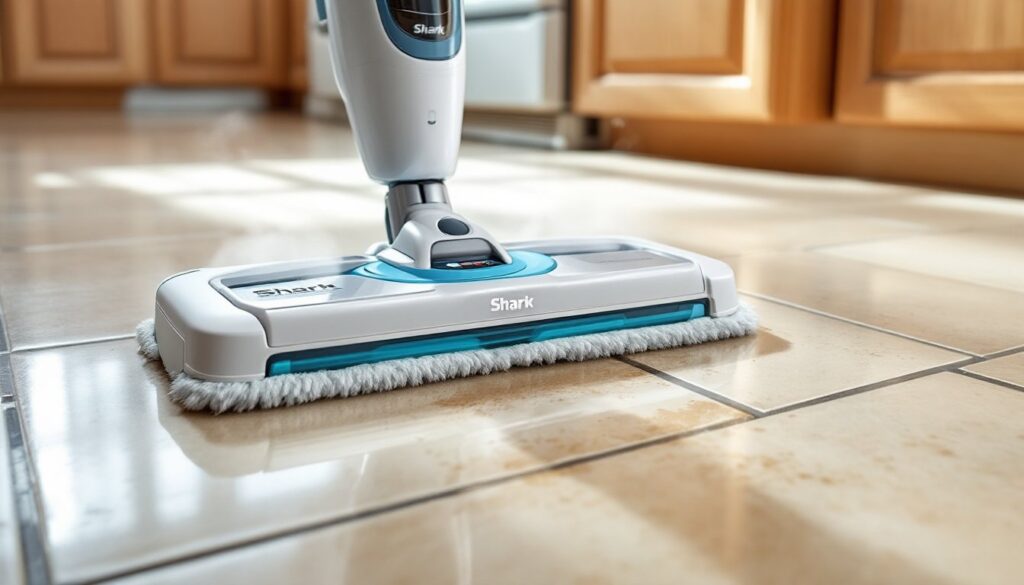
The Shark Steam & Scrub Steam Mop (also known as the Shark Scrub and Steam Mop or Shark Steam & Scrub Mop) is a two-in-one floor cleaner that merges steam cleaning with motorized scrubbing action. Unlike traditional steam mops that rely solely on heat and moisture to loosen dirt, this model features dual rotating scrub pads that spin at a rate designed to agitate and lift embedded grime.
Think of it as the difference between wiping a countertop with a damp cloth versus using a sponge with a scrubby side. The steam loosens the mess, and the rotating pads physically break it apart. The unit connects to a standard 120V outlet and heats up in roughly 30 seconds, making it faster than boiling water for bucket mopping.
Shark offers a few variations under this line, including the Shark Spin Steam Mop, which focuses on the rotating pad mechanism. All models use tap water (no additives required), and the steam reaches temperatures of around 212°F, hot enough to kill common household bacteria like E. coli and Salmonella on sealed hard floors. Note that effectiveness depends on contact time and surface type: steam doesn’t replace disinfectants in high-contamination areas like bathroom floors in shared spaces.
The mop head measures approximately 10 inches wide, which fits under most toe kicks and around toilet bases without needing a separate tool. The handle telescopes to adjust for user height, typically ranging from 48 to 60 inches.
Key Features That Set It Apart
What separates the Shark Steam and Scrub Mop from a basic steam cleaner? Here’s what you’re actually getting:
-
Motorized Scrubbing Pads: The dual spinning pads rotate independently, creating a scrubbing action similar to a powered deck brush. This tackles dried-on spills (think syrup or pet accidents) that regular steam mops smear around. Pads spin at approximately 150 RPM, which is enough force to work grout lines and textured tile without requiring you to apply downward pressure.
-
Three Steam Settings: Low, medium, and high steam output let you adjust moisture level based on floor type. Low works for laminate and engineered wood (where excess water is the enemy), while high is for ceramic tile and natural stone. The steam trigger is on the handle, so you control when and how much steam releases, helpful for conserving water and avoiding puddles.
-
Reusable Microfiber Pads: Each unit comes with washable scrub pads (typically two to four in the box). These last through multiple washes, expect 20 to 30 cleaning cycles before they lose effectiveness. Replacements cost around $12–$18 for a two-pack, depending on your region and retailer.
-
No Chemicals Required: Steam alone provides the cleaning power, which means no residue buildup or slippery film. This is a plus for homes with pets, kids, or anyone sensitive to fragrance. That said, if you’re dealing with oil-based stains (like cooking grease), steam won’t cut it, you’ll still need a degreaser.
-
Swivel Steering and Low-Profile Head: The mop pivots 180 degrees and the head sits under 3 inches tall, so it reaches under cabinets, appliances, and furniture without moving them. This beats dragging out a traditional mop and bucket, which requires clearance and two hands.
-
Water Tank Capacity: The removable tank holds about 12 ounces (350 mL), which translates to roughly 15–20 minutes of continuous steaming on the medium setting. For context, that’s enough to cover 300–400 square feet of open floor space before you need a refill.
Compared to models like the best steam mops tested by cleaning experts, the Shark’s rotating pads give it an edge on stubborn messes, though it’s slightly heavier (around 7.5 pounds) than non-scrubbing versions.
How to Use Your Shark Steam and Scrub Mop for Best Results
Getting the most out of this tool isn’t complicated, but skipping prep work is where most users go wrong. Here’s the right sequence:
Prep Your Floor
-
Sweep or Vacuum First: Steam doesn’t pick up loose debris, it just turns dust into mud. Run a broom or vacuum (upright or stick) to remove grit, hair, and crumbs. Pay attention to corners and edges where dirt collects.
-
Spot-Treat Heavy Stains: If you’ve got oil, wax, or sticky adhesive residue, pre-treat it with a degreaser or scraper. Steam softens adhesive, but it won’t dissolve petroleum-based products.
-
Check Floor Compatibility: Confirm your flooring is sealed and rated for steam. Unsealed hardwood, waxed floors, and some luxury vinyl planks (LVP) can warp or dull with heat and moisture. When in doubt, test in a closet or under a rug first.
Operating the Mop
-
Fill the Water Tank: Use tap water unless you have extremely hard water (high mineral content). In that case, distilled water prevents scale buildup. Don’t add vinegar, essential oils, or cleaning solutions, they can clog the steam nozzles and void the warranty.
-
Attach a Clean Pad: Snap or Velcro the microfiber pad onto the mop head. Make sure it’s seated evenly: a crooked pad will leave streaks.
-
Plug In and Wait: The unit heats up in about 30 seconds. You’ll see a ready light or hear a click (model-dependent). Don’t press the steam trigger until the indicator confirms it’s hot.
-
Select Your Steam Level: Start with low for laminate or engineered wood. Use medium for tile and vinyl. Reserve high for outdoor stone, concrete, or heavily soiled grout.
-
Mop in Overlapping Passes: Work in 3-foot sections, moving the mop forward and back. Let the spinning pads do the work, don’t push down. For grout lines, slow your pace and make a second pass. The heat and agitation penetrate the porous surface better than manual scrubbing.
-
Empty and Rinse After Use: Once you finish, unplug the mop and let it cool for a minute. Remove the pad and rinse it under warm water (or toss it in the washing machine). Empty any remaining water from the tank to prevent mineral deposits.
Safety Gear and Cautions
- Wear Shoes: Steam and hot water can splash, especially if you’re working over cracked grout or uneven tile. Closed-toe shoes protect your feet.
- Ventilate the Area: Steam raises humidity, which can fog up small bathrooms or trigger mold in poorly ventilated spaces. Crack a window or run an exhaust fan.
- Keep Kids and Pets Clear: The mop head reaches 212°F, hot enough to cause burns. Store it out of reach when cooling down.
What Floor Types Can You Clean?
The Shark Steam and Scrub Mop works on most sealed hard surfaces, but results vary depending on material and finish. Here’s the breakdown:
Safe and Effective:
- Ceramic and Porcelain Tile: Ideal candidate. The scrubbing pads clean grout lines without damaging glazed surfaces. Use high steam for heavily soiled commercial-grade tile.
- Sealed Natural Stone (granite, slate, marble): Works if the stone has a proper sealant. Test first, some older sealants break down with heat. Avoid acidic cleaners if you pre-treat.
- Vinyl and Linoleum: Both handle steam well, but keep it on low to medium to avoid loosening adhesive underneath. Sheet vinyl is safer than peel-and-stick tiles, which can lift at the edges.
- Sealed Concrete: Great for basements, garages, or mudrooms. The scrubbing action pulls out embedded dirt from the porous surface.
Use with Caution:
- Laminate Flooring: Technically you can use low steam, but laminate’s pressed wood core swells if moisture seeps into seams. Wipe up excess water immediately and don’t linger in one spot. Many laminate warranties exclude steam cleaning.
- Engineered Hardwood: Depends on the wear layer thickness and finish. If it’s urethane-sealed and at least 3mm thick, low steam is usually fine. Oil-finished or waxed engineered wood? Skip the steam entirely.
Avoid Entirely:
- Unsealed Hardwood: Steam will raise the grain, dull the finish, and cause cupping. If you can see wood pores or the floor feels rough, it’s not sealed.
- Waxed Floors: Heat melts wax, leaving streaks and buildup on the pads.
- Cork: Too porous and prone to water damage, even with sealant.
- Carpet and Rugs: This isn’t a carpet cleaner. The pads don’t extract moisture, so you’ll just soak the fibers.
According to resources like The Spruce, always verify manufacturer guidelines for your specific flooring product before introducing heat or moisture. Some warranties explicitly forbid steam cleaning.
Maintenance Tips to Extend Your Mop’s Lifespan
Like any motorized tool, the Shark Steam and Scrub Mop needs regular upkeep to avoid clogs, motor wear, and performance drops. Here’s what to do:
After Every Use
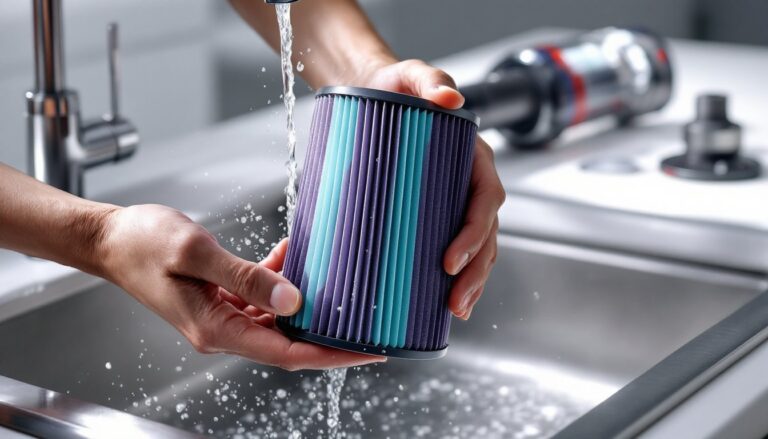
- Rinse the Microfiber Pads Immediately: Dried-on dirt hardens and reduces scrubbing power. Run them under warm water and wring out. For machine washing, use a gentle cycle with no fabric softener (it coats the fibers and kills absorbency).
- Empty the Water Tank Completely: Stagnant water breeds bacteria and leaves mineral scale. Shake out the last drops and leave the cap off to air-dry.
- Wipe Down the Mop Head: Hair, string, and debris wrap around the rotating mechanism. A quick wipe with a damp cloth prevents buildup that can jam the motor.
Monthly Deep Cleaning
- Descale the Steam Nozzles: If you see reduced steam output or white residue, you’ve got mineral buildup. Fill the tank with a 1:1 mix of white vinegar and distilled water (this is the only time you use vinegar). Run the mop on high for 2–3 minutes over a sink or towel, then flush with plain distilled water. Do this every 20–30 uses, or more often if you have hard water.
- Inspect the Power Cord: Look for fraying near the plug or handle joint. A damaged cord is a shock hazard, replace it through Shark’s customer service if you spot wear.
- Check the Scrubbing Pads for Wear: If the microfiber looks matted or the pads don’t spin as freely, replace them. Worn pads reduce cleaning efficiency by 30–40%.
Storage Best Practices
- Store Upright in a Dry Location: Don’t coil the cord tightly around the handle: it stresses the wiring. Use a loose loop or the built-in cord wrap if your model has one.
- Keep Spare Pads Handy: Rotating between two sets of pads extends their life. One set can dry while you use the other.
- Avoid Extreme Temperatures: Don’t store in an unheated garage or attic where freezing temps can crack the water tank or motor housing.
Troubleshooting Common Issues
- Pads Won’t Spin: Check for hair or debris caught in the mechanism. Unplug the unit and manually rotate the pads to clear the obstruction. If the motor hums but doesn’t turn, the drive belt may be worn (a repair job for Shark’s service center).
- Weak or No Steam: Scale buildup or an empty tank are the usual culprits. Descale as described above. If the problem persists, the heating element may be faulty.
- Streaks or Residue: This usually means dirty pads or excess minerals in your tap water. Switch to distilled water and launder the pads.
Pros and Cons: Is It Worth the Investment?
Before you buy, here’s an honest look at what the Shark Steam and Scrub Mop does well, and where it falls short.
Pros
- Tackles Stuck-On Messes Better Than Standard Steam Mops: The rotating pads make a real difference on dried spills, pet accidents, and grout. You’re not re-mopping the same spot five times.
- No Harsh Chemicals: Steam sanitizes without fumes or residue, which is a win for households with allergies or small children. As noted in simple living strategies from Real Simple, reducing chemical use often improves indoor air quality.
- Faster Than Bucket Mopping: Heats in 30 seconds, and you’re done in half the time because you’re not wringing out a mop head or changing dirty water.
- Reusable Pads Cut Long-Term Costs: Unlike disposable pads (looking at you, Swiffer), microfiber pads last months. You’re spending less over the product’s lifespan.
- Adjustable Steam Levels: The control means you can adapt to different floors without risking damage.
Cons
- Heavier and Bulkier Than a Basic Steam Mop: At 7.5 pounds, it’s not a lightweight tool. If you have mobility issues or need to carry it up stairs frequently, that extra weight adds up.
- Motor Noise: The spinning pads create a low hum, not loud enough to need ear protection, but noticeable in quiet homes. It’s similar to a handheld mixer.
- Limited Runtime Per Tank: Twelve ounces gives you about 15–20 minutes, which is fine for a kitchen or bathroom but means refilling mid-job on large open-plan spaces. For 1,000+ square feet, plan on two or three fills.
- Not a Replacement for Deep Scrubbing on Very Old Grout: If your grout is decades old with embedded stains, you’ll still need a grout brush and cleaner for the first pass. The mop maintains clean grout: it doesn’t restore neglected grout.
- Price Point: Expect to pay $100–$150 depending on the model and retailer, compared to $60–$80 for a non-scrubbing steam mop. You’re paying for the motorized feature, so decide if you need it based on your floor condition.
Who Should Buy It?
This mop makes sense if you have:
- Tile or stone floors with grout lines that trap dirt
- Pets or kids who create frequent spills and messes
- Hard-to-reach areas under cabinets and appliances where a regular mop head doesn’t fit
- Sensitivities to cleaning chemicals or a preference for green cleaning
Skip it if your floors are mostly carpet, unsealed hardwood, or if you’re looking for a lightweight tool for quick touch-ups. A standard steam mop or even a damp microfiber flat mop will do the job with less hassle.
Conclusion
The Shark Steam and Scrub Mop delivers on its promise: it cleans tougher messes than a standard steam mop without requiring you to break out the bucket and brush. The motorized scrubbing pads and adjustable steam settings give you control, and the chemical-free operation is a practical advantage for most households. Just remember to prep your floors properly, match the steam level to your flooring type, and stay on top of maintenance, descaling and pad care aren’t optional. If you’ve been putting off mopping because the job feels like a workout, this tool turns it into a quicker, less exhausting task.