
Table of Contents
ToggleHistoric properties hold a unique charm that connects people to the past. They tell stories of bygone eras, reflecting the architectural styles and cultural values of their time. From grand mansions to quaint cottages, these structures serve as tangible reminders of history, offering insights into the lives of those who came before.
Exploring historic properties isn’t just about appreciating their beauty; it’s also about understanding their significance. Many of these sites are preserved as part of heritage conservation efforts, allowing future generations to experience and learn from them. Whether one is a history buff, an architecture enthusiast, or simply curious, these properties provide an enriching glimpse into the rich tapestry of human experience.
Overview of Historic Properties
Historic properties represent tangible connections to the past, showcasing architectural styles and cultural significance reflected in various structures. These properties include landmarks like old homes, government buildings, and sites of historical events, attracting both tourists and researchers alike.
In the United States, the National Historic Preservation Act of 1966 established frameworks for the preservation of historic properties. This act led to the creation of the National Register of Historic Places, which identifies and protects significant sites contributing to America’s heritage.
Heritage conservation plays a crucial role in maintaining these properties. Organizations such as the National Trust for Historic Preservation focus on advocating for preservation efforts, ensuring these sites endure for future generations to appreciate. The unique characteristics of each property often tell stories about past lifestyles, local histories, and architectural innovations, offering invaluable resources for education and tourism.
Preserving historic properties benefits communities economically, socially, and culturally. Through restoration and adaptive reuse, these sites can stimulate local economies by attracting visitors, creating jobs, and fostering a sense of pride among residents. Historic properties also enhance the aesthetic qualities of neighborhoods, showcasing the character and identity of the area.
Historic properties serve as essential links to the past, providing insights into the evolution of architectural styles, cultural practices, and social dynamics. Their preservation is vital for enriching contemporary society and inspiring future generations.
Importance of Historic Properties
Historic properties play a crucial role in linking society to its heritage, enriching both communities and individual lives by preserving cultural narratives and historical contexts. Their significance extends beyond mere nostalgia, influencing social dynamics and economic stability.
Cultural Significance
Cultural significance of historic properties provides an understanding of societal values, traditions, and identities. These structures embody the architectural ingenuity of their times, showcasing styles and techniques that characterize various eras. They serve as educational resources, giving insights into past communities and their way of life. Museums, guided tours, and educational programs centered around these properties facilitate engagement, allowing people to explore their local history actively. Maintaining historic properties fosters cultural pride, uniting communities around shared heritage and encouraging a sense of belonging.
Economic Impact
Economic impact of historic properties is substantial, contributing to local economies through tourism and job creation. Historic sites attract millions of tourists annually, boosting revenue for local businesses, including restaurants, shops, and hotels. According to the National Park Service, heritage tourism generates over $700 billion annually in the United States alone. Additionally, restoring and preserving historic properties creates jobs in construction, maintenance, and hospitality sectors. Investments in these sites frequently lead to increased property values and enhanced community infrastructure, promoting sustainable growth and revitalization.
Types of Historic Properties
Historic properties come in various forms, each representing unique aspects of cultural heritage and architectural significance. Two primary categories include residential and commercial historic properties.
Residential Historic Properties
Residential historic properties feature homes and buildings where individuals and families once lived. These structures exemplify architectural styles from different periods, such as Colonial, Victorian, and Craftsman. They often highlight craftsmanship, innovative designs, and regional influences. Notable examples include:
- Colonial homes: Characterized by symmetry and balance, these homes often showcase accents like gabled roofs and brick facades.
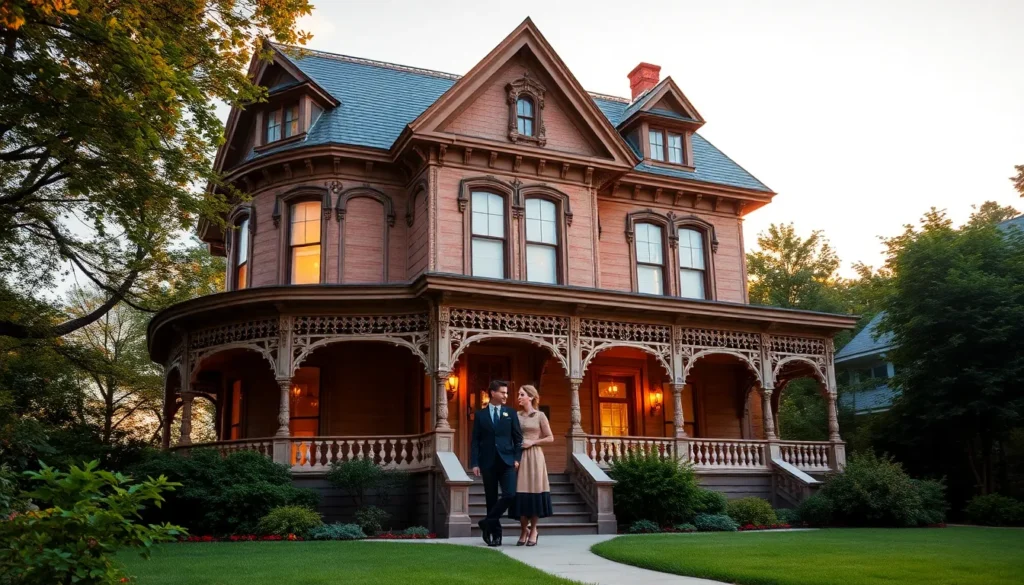
- Victorian houses: Known for elaborate detailing, vibrant colors, and a variety of architectural elements, these residences reflect the opulence of their time.
- Craftsman bungalows: Featuring low, overhanging eaves, exposed rafters, and handcrafted details, these properties emphasize artistry in construction.
Many residential historic properties serve as museums or heritage sites, allowing the public to experience domestic life from various historical perspectives.
Commercial Historic Properties
Commercial historic properties include buildings that previously housed businesses, government offices, or public institutions. These sites often display architectural innovations and urban development trends. Key examples consist of:
- Historic theaters: These venues provide insights into local entertainment culture and architectural design from past eras.
- Old factories: These industrial sites illustrate the evolution of manufacturing and labor practices, often showcasing adaptive reuse for modern purposes.
- Town halls or courthouses: These structures reflect the governance and civic engagement of communities, often styled in Renaissance, Gothic, or Neoclassic designs.
Commercial historic properties contribute significantly to local economies by attracting tourists and providing venue spaces for community events and activities.
Preservation Efforts
Preservation efforts play a crucial role in maintaining historic properties, ensuring that the architectural and cultural significance continues for future generations. Various organizations at both local and national levels contribute to preserving these valuable resources.
Local and National Organizations
Numerous organizations work to protect and promote historic properties.
- National Trust for Historic Preservation: This organization advocates for the preservation of historic buildings and landscapes, financing preservation projects and providing expertise.
- State Historic Preservation Offices: Each state maintains a historic preservation office that engages in local preservation efforts, offering resources, education, and technical assistance.
- Local Preservation Societies: Many communities have established their own preservation groups that focus on raising awareness, securing funding, and rallying community support for local historic sites.
- Preservation Action: This grassroots organization promotes advocacy and public policy initiatives that support heritage conservation at various levels of government.
These organizations collaborate with communities, fostering partnerships that enhance preservation outcomes.
Funding and Grants
Funding for preservation initiatives comes from a variety of sources.
- Federal Grants: The Historic Preservation Fund (HPF), established under the National Historic Preservation Act, provides significant financial assistance for preservation projects across the nation.
- State Funding Programs: Many states offer specific grants targeting historic preservation, allocating budget resources annually to support local projects.
- Private Foundations: Organizations like the Getty Foundation and the National Trust for Historic Preservation distribute grants to support preservation work, research, and educational programs.
- Crowdfunding and Community Fundraisers: Local initiatives often rely on community fundraising efforts to finance preservation projects, allowing residents to engage directly.
These funding avenues enable the preservation of historic properties, ensuring they remain vital parts of communities.
Challenges in Maintaining Historic Properties
Maintaining historic properties presents numerous challenges that require careful consideration and planning.
Structural Integrity
- Older materials degrade over time, necessitating specialized repair techniques.
- Structural assessments regularly identify issues like foundation instability or roof deterioration.
- Weather-related damages often affect the exterior surfaces, including siding and roofing.
Compliance with Regulations
- Local, state, and federal regulations dictate preservation standards, complicating renovation efforts.
- Zoning laws and building codes may restrict modifications to maintain historical accuracy.
- Adhering to the Secretary of the Interior’s Standards for the Treatment of Historic Properties requires expertise.
Funding Constraints
- Securing financial support for preservation efforts often proves challenging.
- Budget limitations can affect maintenance, restoration, and rehabilitation projects.
- Accessibility to grants and donations varies based on property designation and community involvement.
Skilled Labor Shortages
- Finding workers skilled in traditional construction techniques represents a significant hurdle.
- Many artisans specialized in historic preservation have retired or diminished in number.
- Training programs and apprenticeships may not adequately address the demand for historical restoration skills.
Public Awareness and Community Engagement
- Engaging the public in preservation efforts remains a challenge.
- Community support fluctuates, affecting fundraising and volunteer initiatives.
- Raising awareness about the benefits of historic preservation can require extensive marketing efforts.
Environmental Considerations
- Addressing energy efficiency in historic properties poses dilemmas regarding aesthetic integrity.
- Environmental regulations may limit the use of modern materials that enhance energy conservation.
- Climate change increases the urgency for adaptations while preserving historical characteristics.
Overall, tackling these challenges involves collaboration between preservationists, local governments, and community members to ensure the longevity and integrity of historic properties.
Future of Historic Properties
The future of historic properties hinges on innovative preservation strategies and community engagement. Preservationists explore sustainable practices, emphasizing energy efficiency without compromising historical integrity. Modern technology enhances restoration techniques, allowing for accurate replication of original materials and designs.
New funding models emerge, such as public-private partnerships, which leverage resources for preservation projects. Individuals and organizations participate in community-driven campaigns, raising awareness and support for local historic sites. Engaging educational programs invite youths and adults to learn about heritage, fostering a sense of ownership and responsibility towards historic properties.
In adapting to climate change, historic properties face increasing risks. Strategies include implementing resilient building practices and retrofitting structures to withstand extreme weather. Proactive initiatives ensure these properties are safe and protected for future generations.
Urban planning increasingly incorporates historic preservation, integrating these properties into community development. Adaptive reuse of historic buildings allows for dynamic uses while retaining cultural significance.
The digital preservation of historic sites enhances their accessibility. Virtual tours and online archives welcome broader audiences, providing educational resources that transcend geographical boundaries.
These combined efforts position historic properties as vibrant assets within their communities, securing their relevance in a rapidly changing world.
Historic properties serve as invaluable links to the past enriching communities and individual lives. Their preservation not only safeguards architectural beauty but also fosters a deeper understanding of cultural narratives and societal values. As challenges arise in maintaining these sites innovative strategies and community engagement become essential.
By embracing sustainable practices and leveraging modern technology preservationists can ensure that these treasures endure for future generations. Ultimately the commitment to historic properties reflects a dedication to honoring heritage while promoting economic and social vitality within communities.